
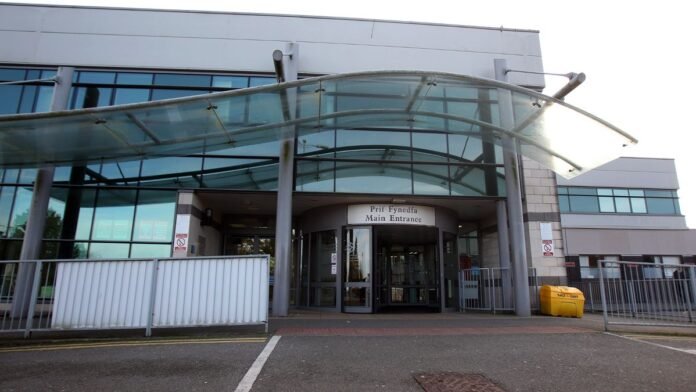

A surgeon mistakenly removed a healthy portion of a cancer patient’s bowel instead of the cancerous tissue after misinterpreting a tattoo as a medical marking during a procedure at Ysbyty Gwynedd hospital in Bangor, north Wales. The error, categorized as a “never event,” led to the unintended removal of the wrong body part. The patient underwent further assessments in preparation for corrective surgery following the incident.
The health board acknowledged the mistake, which was one of five “wrong site” procedures reported at the facility. “Never events” are defined as entirely preventable occurrences that should not happen if healthcare providers adhere to safety protocols. In a separate case at Wrexham’s Maelor Hospital, another cancer patient was informed of a procedure performed on an incorrect area, prompting an ongoing investigation.
A total of 139 “never events” were documented between April and July the previous year within the NHS. These incidents, if believed to have been experienced, can lead affected individuals to file compensation claims against the NHS. To succeed in a claim, proof of healthcare providers failing in their duty of care and demonstrating the harm caused by their actions must be provided. Claimants must also show that the standard of care expected was not met, justifying damages for pain, loss of amenity, loss of earnings, and other expenses resulting from alleged negligence.
Personal injury claims related to negligence have a three-year limitation period for filing, either from the time of the incident or from the moment the harm is recognized. Awareness of these rights can aid individuals in seeking compensation for medical errors.