
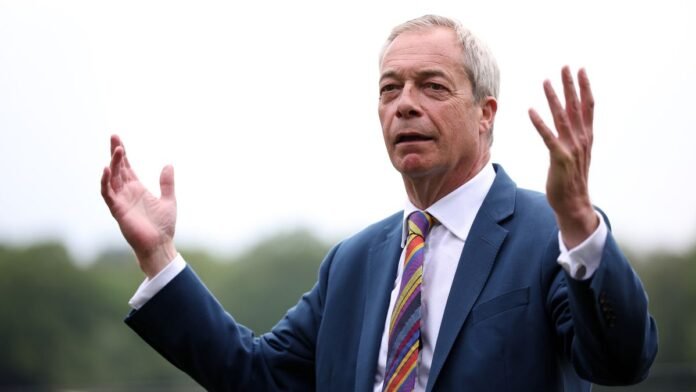

Nigel Farage and his party, dubbed the “rebadged Tories,” are facing criticism from a prominent trade union leader for not supporting workers’ interests. Gary Smith, the General Secretary of the GMB, is set to address the union’s annual congress in Blackpool, expressing concerns about Reform’s intentions to undermine hard-earned employment rights.
Smith will highlight the stark contrast between GMB members actively participating in labor movements while Reform’s leadership was known for applauding Thatcher’s policies. Despite this, Farage’s party is actively pursuing union members in their quest for political influence, as indicated by recent polling results showing equal support between Labour and Reform among unionized workers.
The outreach efforts by Farage’s party come at odds with their plans to dismantle crucial provisions of the Employment Rights Act, such as protections against exploitative practices like zero hours contracts and fire and rehire policies, as well as bolstering sick pay and parental leave entitlements.
Despite tensions between union leaders and the government, the GMB, a key supporter of the Labour party, is expected to reaffirm its allegiance to Labour. The affiliated unions, including GMB, Unite, and Unison, have previously voiced concerns about Keir Starmer’s leadership capabilities for the upcoming elections.
Smith’s speech will urge union members to reject Reform, cautioning against their anti-union stance and agenda. He emphasizes that Reform’s history of supporting policies detrimental to communities contradicts their current claims of backing workers’ interests, highlighting their true intentions of undermining union rights and organizing efforts.
Recent public opinion polls have demonstrated widespread support for the Employment Rights Act’s provisions, with the majority of respondents favoring measures like guaranteed hours contracts, immediate sick pay, and the end of fire and rehire practices. This reflects a disconnect between Reform’s agenda and the prevailing sentiments of the general public.