
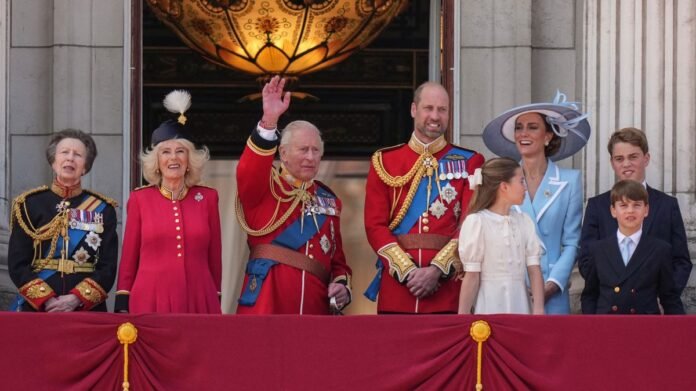

The royal family’s financial situation, when presented clearly, is quite impactful given the current economic challenges faced by many. Despite the escalating cost of living crisis affecting millions, the recent substantial pay raise for the King and his family seems contradictory to the image traditionally associated with the monarchy. It is worth noting Prince Charles’ commendable work in supporting underprivileged youth through initiatives like the Prince’s Trust, now known as the King’s Trust, as well as his efforts to control excessive spending within the institution.
As the Prince of Wales, Charles set a precedent by disclosing his tax payments, a practice he has continued since becoming King, making him the first monarch to do so. However, the decision to accept a new lucrative deal with the Treasury amounting to £100 million annually raises questions about the leaner monarchy he previously advocated for.
Recent reports indicate the King’s net worth is estimated at £680 million, with Prince William’s assets under the Duchy of Cornwall totaling £1.2 billion. While the Sovereign Grant is essentially a portion of profits from the Crown Estate returned to the royals, the figures involved are undeniably substantial.
Despite the King’s reputation for frugality, evidenced by his tendency to wear clothing until they are worn out, certain expenditures within the royal household raise eyebrows. Instances such as the significant costs incurred by the Royal Train, utilized only four times in a year, or the frequent use of helicopters at £4,000 per trip appear excessive.
Acknowledging the King’s extensive workload and dedication to public engagements, especially while battling cancer for over two years, it is essential to reflect on the broader societal challenges faced by numerous families. Calls for transparency regarding the accumulation of wealth within the royal family, despite gestures like tax disclosures and plans for community reinvestment, underscore the evolving expectations of the monarchy in modern times. Failure to adapt to these changing dynamics could potentially jeopardize the institution’s future.