
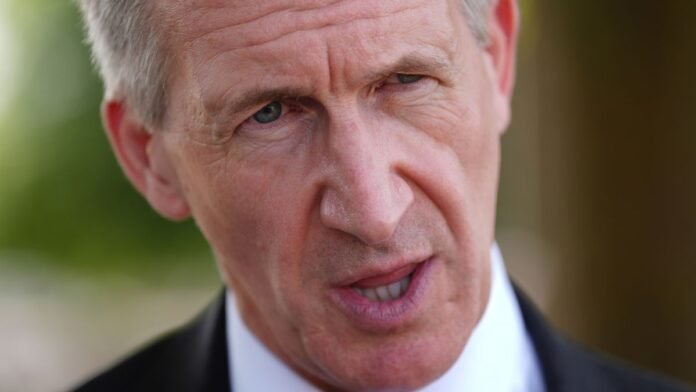

In a swift turn of events, John Healey’s resignation as Defence Secretary amidst a disagreement over military funding has led to a substantial £1.5 billion surge in the government’s spending commitment. This departure marked the loss of a highly diligent and esteemed figure in the defense sector due to the government’s inadequate support for the armed forces.
Healey grappled with the profound financial needs conveyed by defense chiefs to safeguard Britain from potential threats. Speculations suggest that Healey might have reconsidered his decision if the Defence Investment Plan had included an £18 billion increment. Now, the reins have been passed to former Parachute Regiment officer Dan Jarvis, MP, who has announced a £15 billion boost over the upcoming years, falling short of the service chiefs’ requisites.
The funding has risen from £13.5 billion, a far cry from the desired £28 billion, prompting Healey’s departure from a role he cherished deeply. While the increment is a positive stride towards enhancing UK’s security, many watchers opine that it still falls short. Against the backdrop of warnings about potential Russian aggression by 2030, the service chiefs had emphasized the urgency of securing up to £28 billion by 2029.
Industry insiders stress the critical necessity for the UK to bolster its drone warfare capabilities swiftly to keep pace with evolving military dynamics. Ukraine’s transformation into a leading force in drone warfare post prolonged conflict with Russia underscores the rapid evolution of combat strategies. The Defense Investment Plan’s new £5 billion allocation for drone warfare across air, land, and sea domains, including underwater unmanned craft, indicates a heightened focus on this aspect, albeit belatedly.
Acknowledging the pressing need to augment the Army’s troop strength, the Defense Investment Plan outlines plans to raise the regular Army component to 76,000 personnel by 2030-35. However, challenges stemming from the privatization of soldier recruitment over the past decade cast doubts on the feasibility of achieving this target. The military’s exhaustive scrutiny to optimize efficiency and cost savings, exemplified by the retirement of 34 Wildcat Helicopters used for troop transport, reflects a newfound emphasis on strategic funding allocation.
Amidst the palpable urgency in defense circles, the government has yielded to calls for increased spending while maintaining oversight. Despite these efforts, concerns persist among figures like John Healey regarding the adequacy of the measures taken. The efficacy of these decisions in safeguarding national security may become apparent within the next three years.