
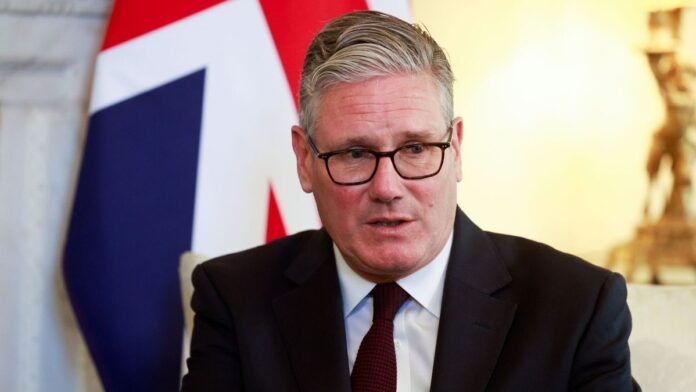

In his upcoming session at PMQs, the Prime Minister will confront MPs following the unveiling of the contentious Defence Investment Plan. At the same time, front-runner Andy Burnham outlined his strategy to mend a perceived “broken” system.
Keir Starmer disclosed a £15 billion expenditure plan over the next four years for the Dip, but concerns have emerged over a £4.7 billion funding shortfall that Burnham is expected to address. Chancellor Rachel Reeves informed Parliament that £10.3 billion of the total had been allocated, with the remaining £4.7 billion set to be finalized during the 2026 Budget announcement.
Despite comparisons made by a Burnham supporter likening the funding gap to an “unexploded bomb,” Defence Secretary Dan Jarvis dismissed the notion that it posed a significant challenge for the new Makerfield MP.
In a recent address, Burnham outlined his vision for assuming the top leadership role, pledging to initiate the largest council house construction initiative since the aftermath of World War II. Additionally, he emphasized a shift of power towards local authorities and mayors, advocating for a decentralized approach to governance.
With no competitors stepping forward to challenge Burnham in the race for Prime Minister, he stands poised to potentially take office in July.
Burnham’s proposed reforms aim to tackle what he views as a flawed Westminster system, advocating for a redistribution of power away from central government. Describing this shift as the “No 10 North,” he envisions a restructured Britain where authority is dispersed to regional leaders and mayors.
As part of this decentralization strategy, Burnham intends to maintain his residence in Greater Manchester, spending only a portion of his time at Downing Street. Reports indicate that he was made aware of the £4.7 billion deficit in the defense spending plan on the same day it was unveiled.
Minister Luke Pollard defended the funding gap, labeling it as a common occurrence in government financial planning. He clarified that the £4.7 billion shortfall would be addressed in the autumn budget through various financial maneuvers.
The Defence Investment Plan’s funding strategy involves reallocating budgets from other government departments, prompting concerns about potential project cancellations or delays. Chancellor Reeves highlighted additional sources contributing to the budget, including the sale of Ministry of Defence land and internal budget reallocations.
In summary, Burnham’s leadership aspirations coincide with a critical juncture in defense funding, where financial gaps and reallocations are under scrutiny. The path towards implementing his proposed reforms will likely involve navigating complex budgetary challenges and balancing competing financial priorities in the coming years.