

Social media platforms are being urged to adhere to election regulations akin to broadcasters by Lucy Powell in a bid to safeguard democracy.
The Labour Deputy Leader advocates for the imposition of new election-specific responsibilities on major online platforms to counter misinformation and foreign intervention in democratic processes.
Powell is set to enhance the Representation of the People Bill by introducing legal obligations on prominent social media platforms such as X and Meta during election periods.
An ally of Andy Burnham, she contends that platforms should be treated similarly to broadcasters and calls for collaborative efforts between the Electoral Commission, Ofcom, and social media firms to establish a digital code of conduct and framework for election seasons.
She emphasized that with a significant number of people now relying on social media for news, outdated laws fail to keep up. The primary influencer on voters during elections is not traditional news broadcasts but rather social media feeds governed by opaque algorithms, facilitating the rapid spread of falsehoods and disinformation with tangible global impacts.
She clarified that the proposed measures do not aim to police political views or stifle legitimate debates but rather to ensure that the public can make well-informed decisions based on accurate information.
While broadcasting entities are bound by regulations designed to ensure fairness and public trust during elections, social media platforms currently lack similar obligations for election periods.
Powell stressed the need to establish a robust framework to safeguard the integrity of elections, highlighting the risks posed by hostile actors, malicious campaigners, and bot networks in distorting democratic discourse, spreading hate, and targeting election candidates.
Emphasizing the importance of protecting free and fair elections beyond partisan interests, she reiterated the necessity for informed voters to determine election outcomes, rather than automated tools, manipulated algorithms, or external interference.
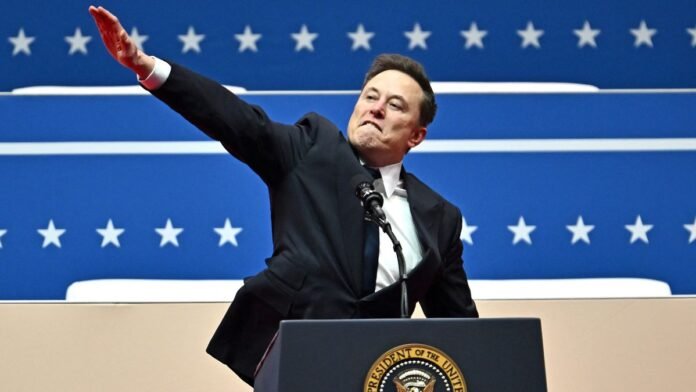
This week, Lisa Nandy announced her department’s departure from Elon Musk’s X, citing concerns over the proliferation of “abuse and misinformation” on the platform.
The Culture Secretary criticized the platform, formerly known as Twitter, stating that it poses a threat to Britain’s democratic health according to the Department for Culture, Media and Sport.
Although various individual ministers and MPs have announced personal boycotts, Nandy’s department is the largest government entity to disassociate from the platform thus far.