
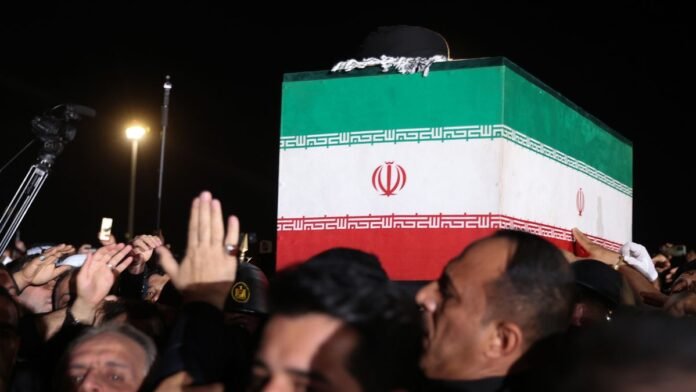

The recent escalation between the United States and Iran marks a significant increase in tensions since the temporary peace agreement reached last month. Analysts suggest that some of the recent American strikes on around 80 targeted sites were notably more potent, signaling a potential shift towards a more forceful military approach by the Trump administration.
Meanwhile, Israel has a keen interest in deterring the U.S. from complying with the terms of the agreement, particularly due to concerns regarding Hezbollah in Lebanon. The ongoing conflict between the U.S. and Iran, characterized by aggressive rhetoric from President Trump, has led to further military confrontations, such as the recent exchange of missiles and attacks on oil and gas tankers in the Strait of Hormuz.
Despite anticipating strong American retaliation, Tehran has demonstrated resilience in the face of U.S. military pressure. The U.S. Central Command has been conducting robust strikes against Iran in response to attacks on commercial shipping, yet Tehran continues to maintain its offensive capabilities.
This prolonged conflict has repercussions for regional stability, with countries like Bahrain feeling vulnerable. Israel, on the other hand, is seizing the opportunity to diminish the threat posed by Hezbollah while weakening Iran’s military capabilities. The U.S. has responded to the recent attacks by revoking Iran’s oil trading privileges, potentially pushing Iran towards further escalation unless a resolution is reached.
The situation has global economic implications due to the instability in the vital shipping route through the Strait of Hormuz. President Trump’s assertive diplomatic approach is exacerbating tensions in the region, raising concerns about the potential for a breakdown of the ceasefire agreement and a return to open conflict.