
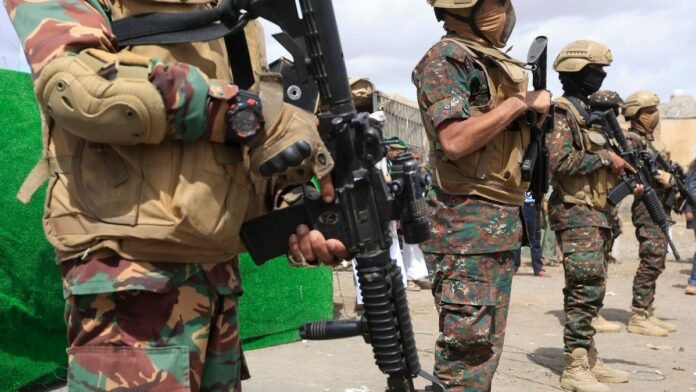

Saudi Arabian officials are preparing for potential coordinated attacks from different directions amidst escalating tensions in the Middle East. The attacks are expected to be orchestrated by Iraqi militias and Yemeni Houthis under the supervision of the Iranian Islamic Revolutionary Guard Corps (IRGC). This heightened alert follows a year of instability in the region, with a focus on safeguarding critical infrastructure within the oil-rich nation.
Saudi Arabia maintains strong ties with the United States, exemplified by their joint military action in Iraq against Iranian-supported groups in late July. US President Donald Trump recently expressed optimism about the resolution of conflicts with Iran, pausing military activities to facilitate ongoing peace negotiations. Concerns about potential attacks from the north and south have prompted vigilance, particularly towards civilian and economic assets such as energy facilities, ports, and airports.
Recent clashes between Saudi Arabia and Yemen have intensified, with Yemeni Houthis claiming responsibility for attacks on Saudi vessels and military sites. Incidents near the Yemeni border left civilians injured, including a child, following assaults by the Houthi rebels. The conflict has also spilled over into Yemen, where government troops faced casualties in various areas.
As part of the evolving landscape, Saudi Arabia, Turkey, and Pakistan are expected to sign a collective defense agreement, while a Saudi-led coalition in support of Yemen’s government has attributed recent shelling incidents to Houthi forces. The regional dynamics underscore the ongoing challenges and complexities within the Middle East, emphasizing the need for strategic alliances and preparedness in the face of potential threats.