
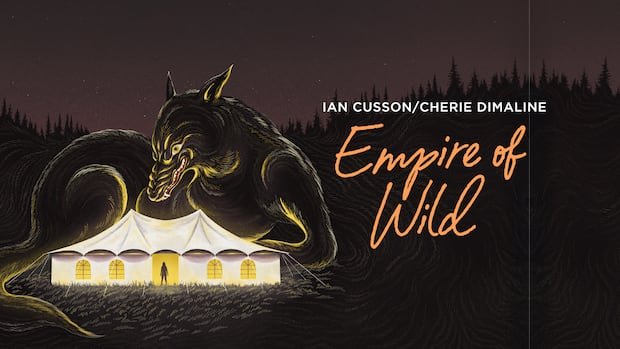

Cherie Dimaline’s novel Empire of Wild follows three generations of women striving to rescue their family member from the grasp of the werewolf-like Rogarou. Their mission is to locate a missing husband and safeguard their land from corporate interference.
The narrative is described as raw, alluring, and intense, earning the accolade of being Indigo’s top book of 2019, surpassing prominent works like Margaret Atwood’s The Testaments and Taylor Jenkins Reid’s Daisy Jones & The Six.
An investment of approximately $4 million is underway to transform the book into an opera led by an Indigenous creative team, with plans for the world premiere in Toronto next spring.
This bold endeavor aims to attract a younger audience and newcomers to opera, potentially challenging traditionalists who prefer the classic repertoire.

Empire of Wild unfolds in the Georgian Bay Métis community of Penetanguishene, Ontario, where Dimaline spent her childhood. Composer Ian Cusson, also a native of the area, identified elements from his upbringing in the depiction of the Rogarou, reminiscent of tales shared by his mother.
“Although a work of fiction, the narrative resonated with familiar faces and dialects from my past,” expressed Cusson during a recent workshop with the cast and orchestra in Toronto.
He emphasized the significance of creating contemporary characters that modern audiences can relate to, including queer individuals and a working-class family navigating extraordinary circumstances.
The opera production is likened to an intensified cinematic experience, incorporating darker, horror-inspired themes that appeal to a younger demographic seeking engaging entertainment.
Elisabeth St-Gelais, an Innu soprano portraying Joan, the central character in Empire of Wild, highlighted the relatability of the story to younger viewers, particularly in depicting flawed yet resilient characters facing personal struggles.
Empowering Narratives
At its core, Empire of Wild explores themes of power, resistance, and perseverance.
The plot revolves around Joan’s quest to reunite with her husband, who reappears after an extended absence under mysterious circumstances tied to industrial interests in the region.
The narrative underscores the importance of ancestral knowledge and matrilineal support in overcoming adversities, drawing inspiration from Métis folklore while showcasing diverse talents like Kwagiulth and Stó:lō mezzo-soprano Marion Newman and Anishinaabe baritone Evan Korbut.
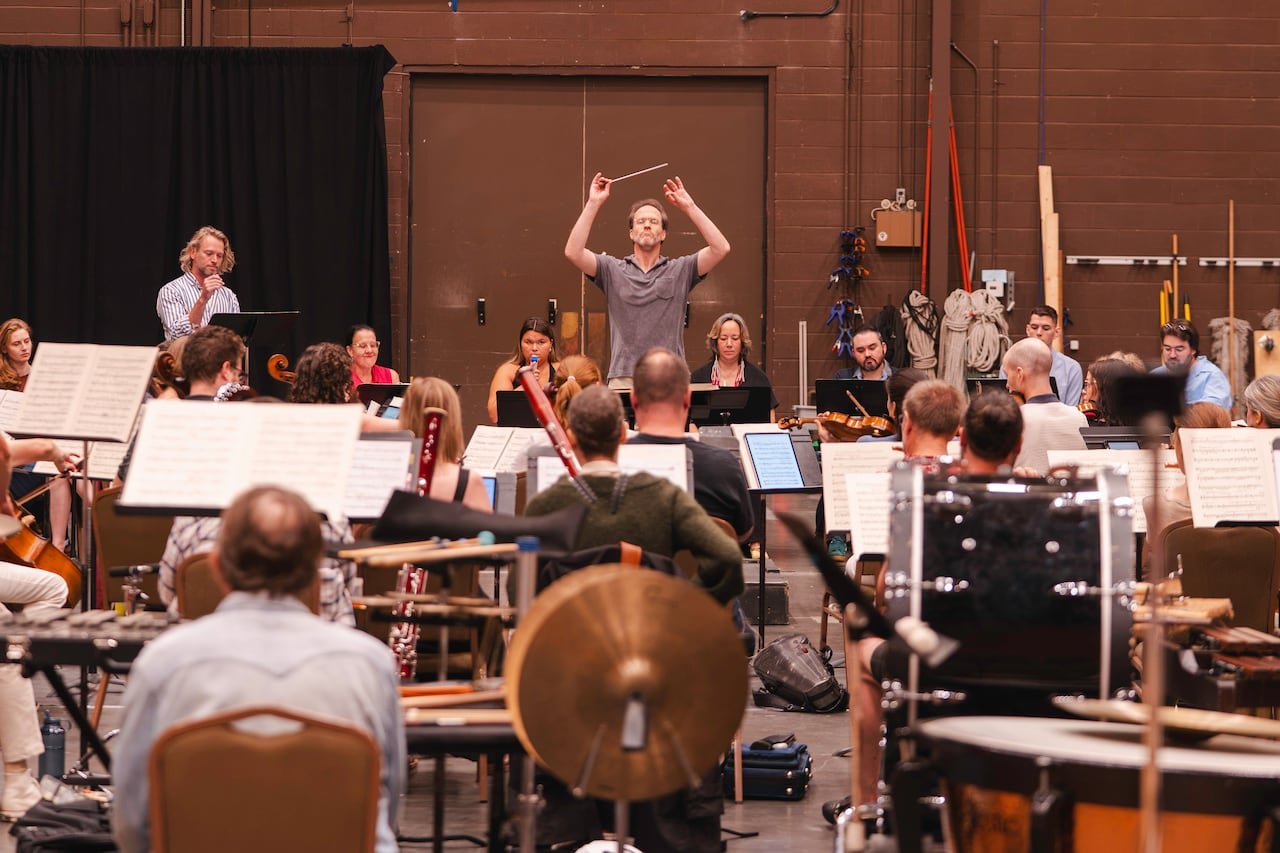
Cusson emphasized the importance of Indigenous representation in bringing these characters to life, showcasing diverse experiences that resonate with a broader Indigenous narrative of survival and cultural resilience.
The term “survivance,” reflecting the endurance and resistance of Indigenous communities, underscores the cultural significance embedded in the opera’s storytelling.
A New Artistic Horizon
St-Gelais expressed her enthusiasm for participating in an opera led by Indigenous creators, highlighting the burgeoning presence of Indigenous voices across various spheres of society.