

Five former chairs of a committee that advises the Canadian government on endangered wildlife have penned an open letter expressing worries about proposed amendments to the Species At Risk Act. They fear that these changes could lead to the deliberate extinction of endangered species in the country. The legislation currently protects over 600 species, but the potential modifications could render the act ineffective, according to a statement released by the scientists.
The former chairs of the Committee on the Status of Endangered Wildlife in Canada (COSEWIC) sent the letter to the federal government last month. COSEWIC is an independent panel that evaluates species at risk of extinction and recommends their inclusion under endangered species regulations.
The scientists made the letter public to raise awareness among Canadians to prevent them from unintentionally contributing to the extinction of Canadian wildlife species. The concerns arise as the government considers broad environmental regulation changes, including amendments to the Species At Risk Act, to expedite the approval and construction of major projects.
The proposed adjustments could eliminate the requirement for “jeopardy tests,” which prevent projects that could harm species and their habitats from being authorized if they jeopardize their survival. These tests are crucial for safeguarding endangered species, as they serve as the final protective measure for vulnerable species.
Additionally, the changes would grant federal authorities the power to establish “federal economic zones” for pre-approving industrial development and to greenlight pipelines before route planning is completed, exempting them from federal assessments.
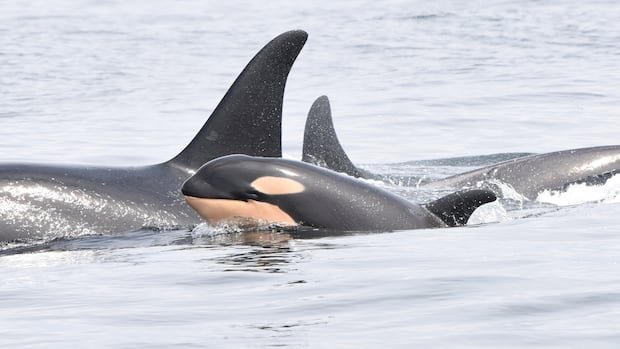
The letter specifically references a new West Coast oil pipeline currently under consideration as a project of national interest. This pipeline, expected to transport around one million barrels of crude oil daily over approximately 1,250 kilometers, poses a significant threat to multiple species, including the southern resident killer whale and Chinook salmon, both existing in the Salish Sea.
The scientists warn that the proposed pipeline could have devastating effects on the killer whale population through increased tanker traffic noise and habitat destruction. With only 75 southern resident killer whales remaining globally, the potential impact on this unique population is a cause for concern.
The scientists highlight the urgency of the situation, emphasizing the irreversible consequences of species loss in Canada. The government has not responded to the scientists’ letter as of the time of this report.
Experts express astonishment at the Liberal government’s proposed changes to the Species At Risk Act, considering the act’s significance when it was established 25 years ago. The amendments under Bill C-5 and related measures set a concerning precedent, allowing the government to override existing laws and introduce new regulations without parliamentary approval.
While the government justifies the changes as necessary to boost the economy and reduce dependence on the U.S. amid trade tensions, critics urge a reconsideration, emphasizing the irrevocable nature of species loss. The government plans to release a report summarizing public feedback before making a decision on the proposed amendments after the summer.