
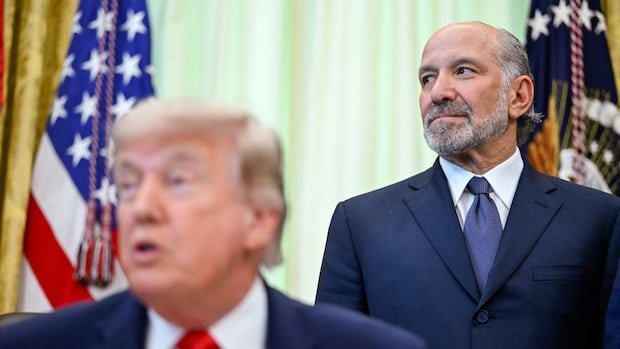

U.S. Commerce Secretary Howard Lutnick, a key figure in President Donald Trump’s cabinet, is reportedly dissatisfied with the current trade deal negotiations with Canada and is advocating for revisions as the talks near their conclusion in Washington, according to sources familiar with the discussions. Lutnick, a long-time associate of the president, believes that the United States could secure a more favorable agreement than the one proposed earlier in the week.
Specifically, Lutnick has raised concerns about potential reductions in sectoral tariffs, such as lowering the tariff on Canadian-made cars from 25% to 15%. He argues that such concessions could hinder efforts to promote domestic manufacturing in the U.S. While the sources did not disclose their identities due to confidentiality, they emphasized that Lutnick’s involvement does not pose a threat to the deal. However, his discontent contrasts the positive outlook conveyed by Trump, Prime Minister Mark Carney, and trade negotiators from both countries in recent public statements.
The U.S. Department of Commerce, in response to inquiries, did not refute reports of Lutnick’s dissatisfaction with the terms. The Department indicated that Secretary Lutnick has been actively engaged in negotiations with Canadian counterparts through Trade Representative Jamieson Greer. The White House, Greer’s office, and Canada’s trade minister have been approached for comments on the matter.
Negotiations between Canada and the U.S. aim to finalize a trade agreement before the impending expiration of Trump’s temporary suspension on new tariffs against various Canadian products. While details of the agreement remain undisclosed, sources suggest that it may involve reduced sectoral tariffs that have been impacting Canadian industries like aluminum, steel, and automobiles. Carney has reportedly urged provincial leaders to consider lifting bans on American alcohol imports as part of the deal.
The White House has refrained from confirming specific terms, cautioning that any reported details should be treated as speculative until officially announced. Both Trump and Carney have expressed optimism about the proposed deal, emphasizing the mutual benefits for both nations. Negotiations continued as the deadline approached, with Trade Minister Dominic LeBlanc indicating that the two sides were close to reaching an agreement after intensive discussions.
A source familiar with the negotiations disclosed that the deal may include lower tariffs on Canadian steel, with a quota system to limit reductions to a predetermined import volume. Additionally, adjustments to dairy license allocation are expected to enhance access to American dairy products in Canadian markets. Tariffs have been a cornerstone of the Trump administration’s economic strategy, with Lutnick playing a significant role in shaping trade policies and tariffs under his purview.
Lutnick’s alignment with Trump’s stance on tariffs dates back to their longstanding relationship developed in New York City’s social circles. Throughout the trade dispute with Canada, Lutnick has been vocal in endorsing tariffs and critiquing Canadian trade practices on U.S. media platforms. Despite past criticisms and disagreements, Lutnick’s participation in the negotiations underscores his commitment to advancing the U.S.’s trade interests.
The ongoing trade discussions between Canada and the U.S. reflect the complexities and ongoing efforts to reach a mutually beneficial agreement amidst the evolving trade landscape.