
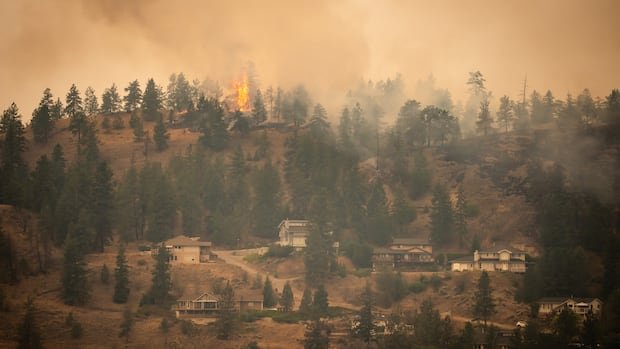

Tricia Thorpe faced the daunting task of rebuilding her home five years after it was destroyed in the 2021 Lytton wildfire, along with hundreds of other homes. Despite not having insurance at the time of the fire, she undertook the challenge of reconstruction. Thorpe’s situation was not uncommon in the province, where many families have lost their homes to wildfires this year.
Experts emphasize the importance of understanding insurance policies, even for those fully insured, as the rebuilding process after a wildfire can be complex and lengthy. Liam Corcoran, a lawyer and adjuster, highlighted that insurance typically covers fire damage but may not fully cover the cost of rebuilding a new home.
Annick DeGooyer, who lost her home in the 2023 McDougall Creek wildfire in West Kelowna, stressed the value of documenting property before a disaster. By videotaping every room and item, her insurance claim process was facilitated. Despite these preparations, the recovery process can be slow, especially if a surge in claims creates bottlenecks.
Insurance can also assist with evacuation-related costs, such as accommodation and food, even if the home is not damaged by fire. While the recovery process post-wildfire can be lengthy, contacting insurers promptly to initiate the claims process is crucial.
A significant challenge highlighted by experts is the underinsurance or lack of insurance for many homes in remote areas. Factors like being outside fire protection zones and high premiums have left properties vulnerable. Insurance companies may increase premiums or even refuse coverage in high-risk areas, leaving residents unprotected.
In light of these challenges, being proactive in understanding insurance policies, documenting property, and promptly filing claims are crucial steps in preparing for and recovering from wildfires.