
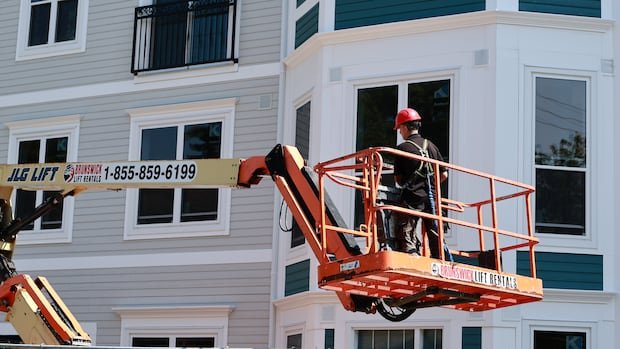

Halifax is introducing a new affordable housing strategy that aims to continue supporting the non-profit sector. However, city staff acknowledge that it may not fully address the issue of high housing prices in the area. The proposed strategy was presented to the community planning and economic development council committee.
The strategy includes maintaining the city’s current affordable housing grant programs, waiving permit fees, and providing tax relief for non-profit housing organizations once federal funding for staff ends. This plan necessitates the creation of two new staff positions, with an estimated annual cost of approximately $242,950 each over the next ten years.
Councilor Becky Kent expressed support for independent agencies already contributing to affordable housing and emphasized the need to strengthen existing initiatives. The current municipal programs, coupled with federal funds from the Rapid Housing Initiative, have helped develop 1,400 non-market or deeply affordable housing units from 2021 to December 2025.
The new strategy represents the final component of Halifax’s obligations under the Housing Accelerator Fund, which has received $80 million in federal funding since 2023 to boost housing supply initiatives. Aaron Murnaghan, overseeing the HAF program, highlighted that Halifax is on track to surpass its target of 2,600 additional housing starts by October, with over 15,460 units planned, including more than 333 affordable units.
Despite progress, challenges such as construction costs, financing, materials, and labor shortages impact completion timelines. Murnaghan cited the complexity of blasting through rocky terrain and disposing of materials, which extend development schedules to three or four years.
While some councilors expressed disappointment over the strategy’s limited impact on market affordability, Murnaghan attributed high housing costs to population growth and industry challenges post-COVID-19. Efforts to promote wooden construction for faster and cheaper projects and zoning changes through the HAF have been made to address these issues.
The city’s role is to facilitate construction, with the private sector and provincial and federal governments playing significant roles in housing supply. The new strategy advocates for additional changes, such as implementing a vacant land tax and waiving development charges for affordable housing, to tackle affordability issues.
Long-term plans include exploring affordable housing within municipal facilities and considering alternative models like establishing a municipal housing corporation. The strategy will undergo final approval by the regional council in the future.