
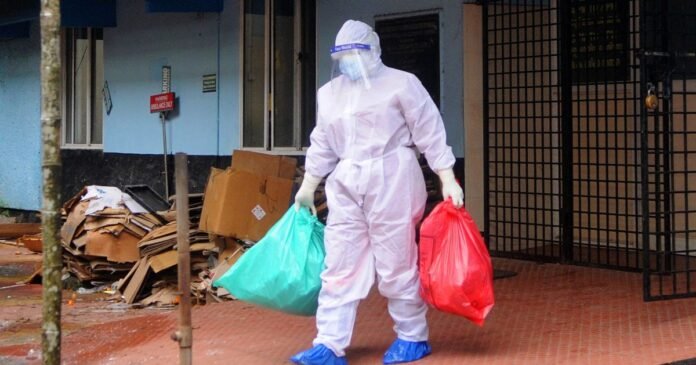

Top medical experts have weighed in on the Nipah virus following the implementation of passenger screenings at airports in Thailand and Nepal due to confirmed cases in West Bengal, India. Nipah is a deadly virus that can cause brain swelling and is transmitted from animals to humans or through contaminated food and direct human contact, with a high fatality rate of 40% to 75%.
The UK Health Security Agency (UKHSA) has reassured the public that there have been no reported cases of Nipah virus in Britain. The agency’s travel chief emphasized that the risk of the virus being imported into the UK is very low but continues to closely monitor the situation. Dr. Meera Chand, the UKHSA Deputy Director, reiterated that Nipah virus has never been reported in the UK and detailed the established protocols for handling any potential cases.
Dr. Kaja Abbas, an Associate Professor specializing in Infectious Disease Epidemiology, highlighted the low likelihood of a widespread pandemic similar to Covid-19 due to the virus’s structure. Nipah virus, identified in 1999, can lead to severe respiratory and neurological issues in humans and has caused sporadic outbreaks, particularly in Bangladesh and India.
Precautionary measures taken by countries like Thailand and Nepal include screening passengers from India upon entry and advising medical observation for 14 days in Kazakhstan. General preventive measures focus on hygiene, ventilation, avoiding crowded places, and seeking medical attention promptly.
The Nipah virus has a basic reproduction number below 1, indicating limited human-to-human transmission and a low risk of widespread spread. Symptoms often start with a flu-like illness and may progress to encephalitis or meningitis, leading to a high mortality rate of 40% to 75%. Survivors may experience long-term neurological complications, including seizures and personality changes, with the potential for the virus to reactivate after months or years.