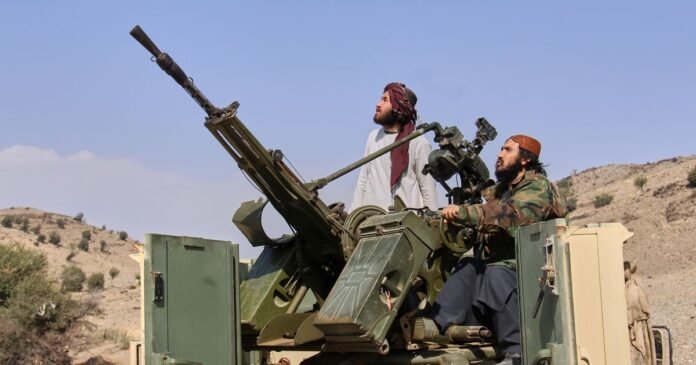

Pakistan has initiated attacks on the Afghan capital Kabul and several other cities following a period of escalating tensions and cross-border assaults. In response, the Afghan Taliban have launched retaliatory strikes with artillery across the border, resulting in both sides claiming casualties inflicted on each other.
According to Defense Minister Khawaja Mohammad Asif, Pakistan is currently engaged in an “open war” with Afghanistan, marking the most serious armed confrontation between the two neighboring countries since a Qatari-mediated ceasefire in October. The ongoing violence between the two nations has raised concerns about regional destabilization, especially amid allegations that India may have supported the Afghan-launched attacks, further fueling the growth of terror groups and posing a general threat to the West.
The recent surge in hostilities between Pakistan and Afghanistan stems from a history of sporadic cross-border attacks, with the situation escalating into full-fledged military actions. As the conflict intensifies, the longstanding border between the two countries, known as the Durand Line, remains a contentious issue, creating divisions among major ethnic groups like the Pashtun and Balochs.
The complex geopolitical landscape in the region has been further complicated by the presence of militant groups, including the Pakistani Taliban, Tehrik-e-Taliban, and Baloch rebels, who have carried out terror attacks within Pakistan, exacerbating tensions along the border. The ongoing clashes highlight the sensitive nature of the border dispute, which has been a focal point of political unrest for decades, with implications for regional security and stability.
Efforts to de-escalate the conflict have been attempted in the past, including a ceasefire mediated by Qatar and Turkey in October 2025. However, the latest escalation in violence has reignited concerns about the potential for a protracted crisis, particularly as the Afghan Taliban now govern Afghanistan and face internal challenges with groups like ISIS vying for influence in the region.
The international community, including countries like Turkey, Qatar, Saudi Arabia, Russia, and Iran, has called for an immediate halt to the fighting and urged diplomatic resolutions to the conflict. With the situation fluid and ongoing, the involvement of key stakeholders and diplomatic efforts will be crucial in navigating the complex dynamics of the Pakistan-Afghanistan border dispute.