
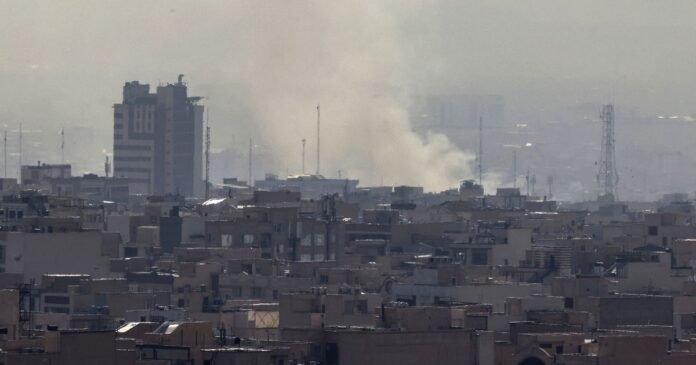

An intense display of military might from the United States and Israel against Iran is poised to reshape the Middle East permanently, with far-reaching implications for global security. Long-standing plans by military strategists in the Pentagon and Tel Aviv to target Iran are now being put into action, sparking debates that are likely to continue for years.
The aftermath of this military action is crucial, as it may lead to the proliferation of terrorism extending beyond the Middle East, targeting Western nations. Potential scenarios include defections among Iran’s Islamic Revolutionary Guard Corps leadership, potential insurgencies, and the destabilization of proxy groups like Hezbollah in Lebanon. The ripple effects of such actions could reach far and wide, with connections to networks in South America, Europe, and the UK.
Lessons from past conflicts, such as the Iraq War in 2003, serve as a warning of the potential long-term consequences of regime change in the region. The emergence of groups like Islamic State following the Iraq War underscores the complex challenges of managing post-conflict situations and the resurgence of extremist threats.
The current situation in Iran underscores the high stakes involved in managing the crisis, with the potential for unintended consequences mirroring past missteps in Iraq. The global implications of these actions cannot be understated, as efforts to combat extremist ideologies and terror networks remain a top priority for nations like the UK.
As tensions escalate, cities like Tel Aviv are on high alert, facing the threat of missile attacks from Iran. The deployment of advanced warplanes and military assets signals a significant escalation in hostilities, with the potential for protracted conflict and widespread repercussions. The unfolding events in the region highlight the complexities and risks associated with military interventions and regime change efforts.