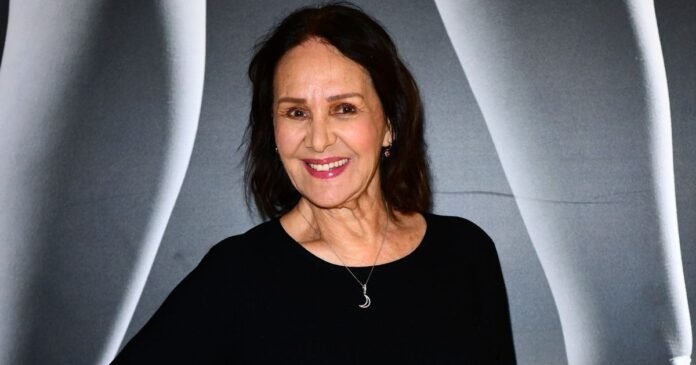

Arlene Phillips, an original judge on the debut season of Strictly Come Dancing in 2004, holds valuable insights into the popular BBC show. After serving on the judging panel for four years alongside Len Goodman, she was replaced by popstar Alesha Dixon, sparking ageism allegations.
The seasoned choreographer, now 82 and renowned for working with music icons like Diana Ross and Tina Turner, believes that Strictly has evolved significantly since her tenure. Regarding Claudia Winkleman and Tess Daly’s decision to step down, she suggests a London-born actress as a potential replacement.
Expressing her opinion, Arlene praises Hannah Waddingham as a suitable candidate, citing her impressive Eurovision hosting skills. Following Tess and Claudia’s announcement of their departure after a 21-year run, speculations about their successors have emerged. Despite Holly Willoughby being a popular choice, Dame Arlene remains uncertain about her fit for the role.
Reflecting on Tess and Claudia’s exit, Arlene shares her lack of surprise, emphasizing the duo’s extensive tenure and readiness for change. She commends Claudia’s longstanding contribution to the show, highlighting the significant growth and impact of Strictly Come Dancing over the years.
Praising Claudia’s qualities, Arlene describes her as smart, beautiful, kind, and uniquely talented in her interactions with people. Despite receiving a Damehood in 2021 for her dance and charity work, Arlene humbly downplays the title’s significance in her everyday life.
In 2024, at 80 years old, Arlene received her first Olivier award for theatre work, dispelling ageism criticisms. Additionally, she supported the Cares For Caregivers campaign, inspired by her father’s battle with Alzheimer’s disease, which ultimately claimed his life in 2000.
Acknowledging the challenges faced by unpaid carers in the UK, Arlene sheds light on the sacrifices and struggles they endure while caring for loved ones with Alzheimer’s or dementia. She underscores the profound impact of witnessing a loved one’s gradual decline due to these debilitating conditions.