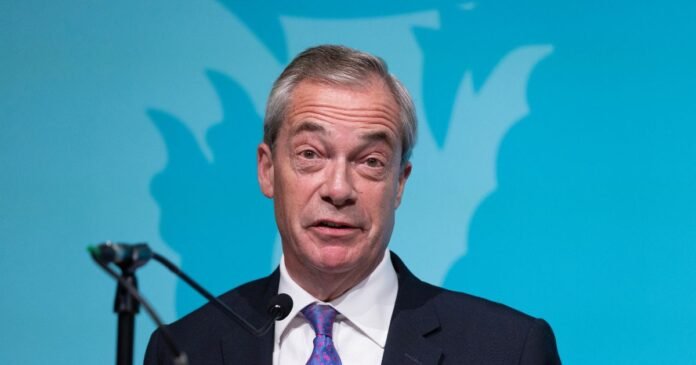

Nigel Farage’s Reform UK party received a £3 million financial injection from crypto investor Christopher Harborne in November, as per official records released recently. This funding comes after Harborne’s record-breaking £9 million donation to the right-wing party in August.
Christopher Harborne, who resides in Thailand and is known for his investments and aviation ventures, has previously made substantial contributions to the Brexit Party and the Conservative Party under Boris Johnson’s leadership.
According to the Electoral Commission data, Reform UK garnered over £5.4 million in donations during the last quarter of the previous year. In comparison, the Conservative Party received more than £2.4 million, while Labour and the Liberal Democrats secured over £1.9 million and £1.3 million, respectively, in donations during the same period.
Nigel Farage clarified that Christopher Harborne did not expect any favors in return for his £9 million donation to Reform UK. When questioned about Harborne’s frequent stays in Thailand, Farage explained that it was due to his longstanding business activities there and emphasized Harborne’s consistent support for Brexit-related causes.
Regarding their interactions, Farage stated that he communicates with Harborne occasionally, typically once a month or every six weeks, but not more frequently than that.
Recent data disclosures revealed that both Reform UK and the Conservative Party accepted £200,000 each from construction equipment company JCB. Additionally, Scottish Labour received a £100,000 donation from Ecotricity, the company founded by green energy entrepreneur Dale Vince, in November.
Labour also received more than £55,000 from Labour Together, a think tank previously led by former Downing Street chief of staff Morgan McSweeney, in October. The organization faced scrutiny for reportedly paying PR firm Apco Worldwide at least £30,000 to investigate journalists from various media outlets, resulting in the resignation of ex-Cabinet Office minister Josh Simons, who was heading the think tank at that time.
Despite Keir Starmer’s ethics adviser finding no breach of the Ministerial Code by Simons, the Makerfield MP decided to resign, citing that his continued presence in office was diverting attention from the government’s crucial work.
In his resignation letter to the Prime Minister, Simons expressed regret but stated that stepping down was necessary to prevent any hindrance to the government’s important tasks.