
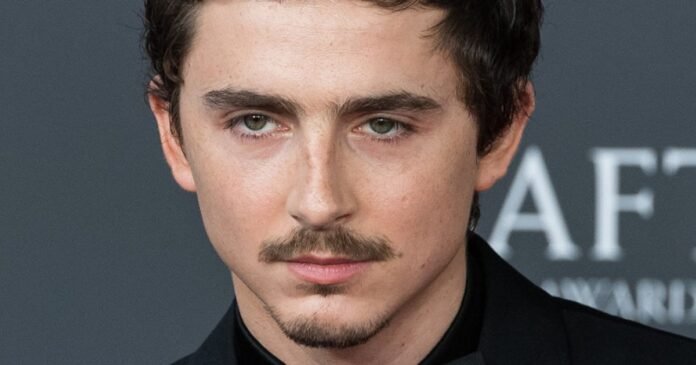

Timothée Chalamet’s chances of winning an Oscar appear to have taken a hit. Just a fortnight ago, he was considered a top contender for the Best Actor award. However, in the final stretch of Oscar voting, his remarks about ballet and opera have stirred controversy, raising doubts about his award prospects. Some online commentators are questioning if his Oscar ambitions have been dashed. The situation has sparked a debate on gender bias, with suggestions that if Timothée were a woman, his aspirations would have been dismissed long ago.
The rising young star is in the running for the Best Actor accolade at this year’s Oscars for his portrayal in “Marty Supreme” as the ambitious table tennis player, Marty Mauser. His active pursuit of the award has been noted.
During an interview with France Inter, Timothée expressed confidence in his abilities, claiming to work harder than most individuals. His self-assured comments have been perceived as arrogant by some, especially when he mentioned his anticipated Oscar win and described his work as “top level.” Despite the mixed reactions, he remains a favorite among bookmakers to clinch the award.
Criticism intensified after Timothée voiced disinterest in ballet and opera during a public forum, stating that these art forms are no longer relevant. Subsequently, his odds of winning diminished, and he faced backlash from various quarters, including a satirical skit on Saturday Night Live. The incident highlights the different standards applied to male and female artists in the industry.
The controversy surrounding Timothée’s comments underscores the challenges faced by ambitious women in the entertainment sphere. Instances like Andrea Riseborough’s experience, where her openness about desiring an Oscar nomination led to backlash, demonstrate the double standards prevalent in the industry.
Timothée’s disregard for ballet and opera has drawn criticism for its potential impact, particularly on young girls. Ballet, traditionally associated with femininity, contrasts with the male-dominated film industry. His comments risk undermining the significance of female-centric art forms and may influence young audiences negatively.
While Timothée’s influence should not be overstated, his remarks carry weight in a media landscape where celebrities like him hold sway over impressionable audiences. The incident raises questions about the price of pursuing accolades at the expense of disparaging established art forms.
Timothée Chalamet’s team has been approached for comments.