
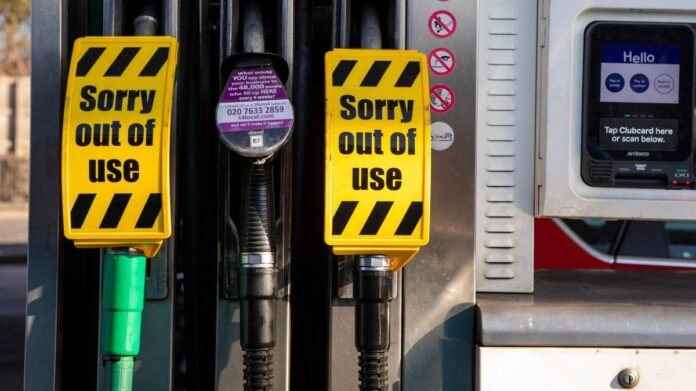

The ongoing conflict in Iran is projected to result in an additional daily expense of £15 million for UK drivers due to escalated fuel prices at gas stations nationwide.
Over the past few weeks, consumers have witnessed a surge of over 6 pence per liter in the price of unleaded petrol, translating to an increase of more than £3.30 for a typical family car refueling.
Following Iran’s declaration to block oil passage through the strategic Strait of Hormuz, the average cost of E10 unleaded fuel in British gas stations is nearing 140 pence per liter, while diesel prices have climbed even faster to slightly above 157 pence per liter.
The impact of these price elevations means that daily fuel expenses in the UK have surged by £12.9 million since the onset of the Iran conflict on February 28, with an anticipated increase to surpass £15 million based on current trends.
An interactive tool is available for users to monitor current fuel prices at local gas stations.
Since the initiation of US and Israel attacks on February 28, Iran has targeted the Strait of Hormuz to disrupt oil flow, leading to a suspension of shipping through the waterway that typically handles about 20% of global oil and gas exports daily, causing concerns about supply disruptions and price spikes.
An Iranian military spokesperson emphasized Iran’s commitment to prevent any oil passage through the strait, warning of a potential rise in oil prices to $200 per barrel.
The US Air Force’s recent offensive against 16 mine-laying Iranian vessels in the strait prompted the US Navy to announce an operation to safeguard oil tankers. However, with tankers avoiding risky voyages, it is unlikely that normalcy will return until the Iran conflict concludes.
The Competition and Markets Authority (CMA) has intensified scrutiny of petrol and diesel prices amid the Middle East tensions, alerting fuel retailers of increased monitoring to ensure price adjustments reflect genuine cost pressures.
Recent data analysis by the government reveals notable variations in price changes among major petrol station operators, with Texaco, Morrisons, and Asda Express implementing price hikes ranging from 7 to 10.1 pence per liter.
Essar, a retailer managing around 70 petrol stations in northwest England, marked the steepest increase of 14 pence per liter since February 19, citing the cessation of a promotional pricing strategy prior to the Iran conflict as a reason for the substantial surge.
Essar emphasized that despite the recent price adjustments, their current fuel prices remain below the national average, reiterating their commitment to offering competitive pricing to customers.