
The possibility of energy rationing looms as the Iran conflict persists, a noted expert has cautioned.
The Strait of Hormuz faces a virtual blockade, disrupting oil exports from the Gulf. Consequently, oil prices have surged to approximately $106 per barrel in early Monday trading.
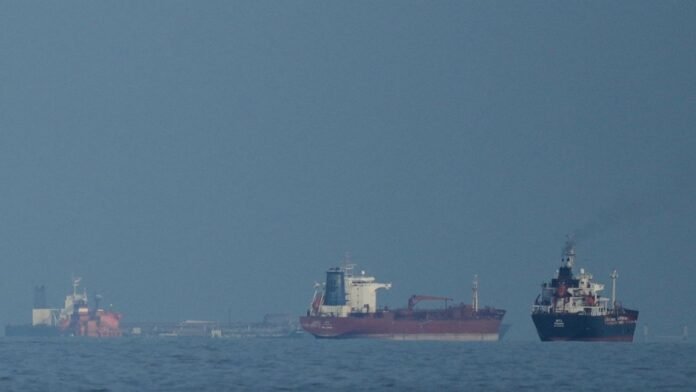
Iran’s utilization of the strait, a critical route for a fifth of the world’s oil and liquefied natural gas transportations, as a battleground by threatening tankers attempting to pass through it, is raising concerns as the conflict prolongs.
Nick Butler, former head of strategy at BP and an ex-advisor to former Prime Minister Gordon Brown, highlighted the impending physical scarcity of supply in a few weeks. He emphasized the need for the UK government to brace for a substantial supply shortage over the next two months, potentially necessitating rationing.
Reflecting on past events like the 2000 tanker drivers’ dispute, Prof Butler stressed the indispensable nature of oil and gas supplies for the economy and the challenges in quickly boosting new supplies.
Prof Butler, now a visiting professor at Kings College London, recommended the development of new oil fields in the North Sea in the long term. In the interim, he emphasized safeguarding vital sectors like healthcare and food supply, leaving the government to determine potential rationing strategies if the situation escalates.
Expressing concerns over a global oil shortage triggering international competition for supplies, Prof Butler pointed out Europe’s high dependence on oil and gas imports compared to the UK.
Responding to queries about rationing, PM Keir Starmer affirmed the government’s commitment to ensuring adequate energy supply.
Simultaneously, the sharp rise in oil prices has led to increased fuel costs for motorists, prompting government warnings and scrutiny of forecourt owners for possible profiteering.
Amid the conflict fallout, new mortgage borrowers are feeling the impact, as shown by the recent uptick in fixed mortgage rates over the weekend. The average two-year fixed rate increased from 5.10% to 5.20%, while the five-year fixed rate climbed from 5.19% to 5.25%.
Furthermore, the availability of mortgage deals has dwindled, dropping below 7,000 to 6,972.