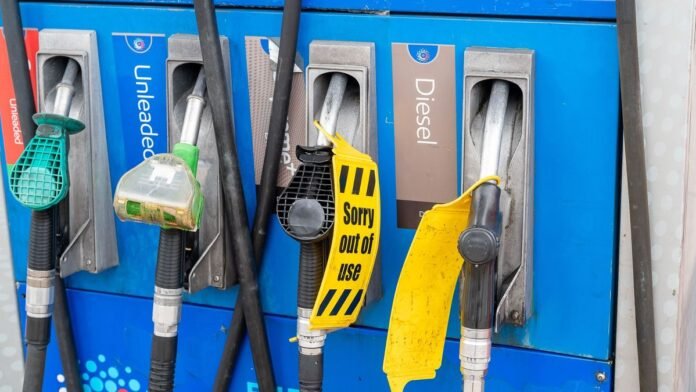

Plans are in place to potentially implement lower speed limits and petrol rationing in response to any fuel scarcity. These measures could prioritize fuel for emergency services to prevent supply shortages. The ongoing Middle East conflict has brought these contingency plans into focus since 2022.
Concerns have escalated due to the Iran war potentially leading to energy rationing. The blockade of the Strait of Hormuz has severely impacted oil exports from the Gulf region. Nick Butler, a former BP strategist and advisor to Gordon Brown, cautioned that a supply shortage could become a reality in the coming weeks, urging the government to prepare for a significant shortfall within the next two months.
The National Emergency Plan for Fuel, accessible on the gov.uk website, includes provisions like capping speeds at 50mph across all roads. While the government reassured that the plans are reserved for emergencies, it emphasized the current ample stock levels at UK petrol stations.
Despite the reliance on imported crude oil, with only a small fraction originating from the Middle East, the UK mainly sources its oil from countries like the United States and Norway. Organizations like the AA advise motorists to maintain their normal refueling routines.
Meanwhile, the RAC reported continuous increases in pump prices, with unleaded fuel averaging 142.62p per liter and diesel reaching 162.66p per liter.