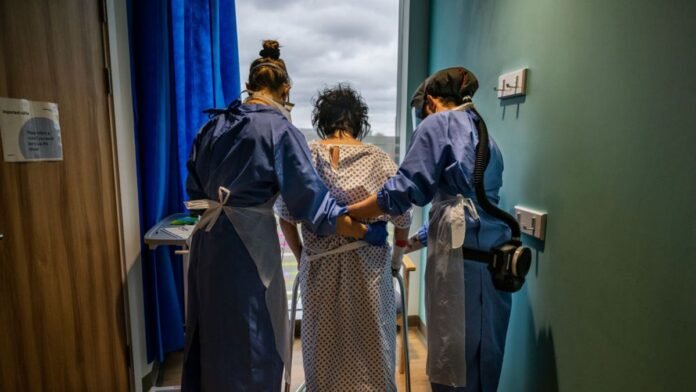

A recent Covid-19 Inquiry has revealed that the National Health Service (NHS) in the UK was on the brink of collapse during the pandemic and was only saved by the dedicated efforts of its staff. The inquiry, the largest in British history, highlighted that the healthcare system was ill-prepared, overstretched, and in a vulnerable state after a decade of governance under the Tory party.
Baroness Heather Hallett, the Chair of the inquiry, commended healthcare workers for risking their lives on the frontlines, with some even succumbing to the virus in their efforts to treat the most critically ill patients. The report emphasized that the UK healthcare system faced devastating consequences due to severe workforce shortages, an aging hospital infrastructure, low bed numbers, and high occupancy rates.
Despite teetering on the edge of collapse multiple times, the healthcare systems managed to stay afloat thanks to the extraordinary efforts of healthcare workers and support staff. The inquiry, which has cost over £200 million, aims to provide a roadmap for future governments to better prepare for similar crises.
The report also underlined the need to address critical issues such as the shortage of nurses, inadequate protection for healthcare workers, and the overwhelming pressure on critical care services. Recommendations include enhancing hospital capacity to handle surges in demand during future pandemics.
Acknowledging the sacrifices made by healthcare workers, the inquiry highlighted the toll on mental health among NHS staff, comparable to that of combat personnel. The report urged urgent implementation of its recommendations to ensure healthcare systems are better equipped for future challenges.
In response to the inquiry findings, Prime Minister Sir Keri Starmer expressed solidarity with those affected by the pandemic and pledged to learn from the report’s insights to strengthen the NHS and social care sectors for future emergencies. The government is committed to investing in and reforming healthcare services to ensure they are resilient and responsive to the needs of the public.