
A tanker from Russia transporting crude oil has crossed the English Channel and entered the Atlantic Ocean, sparking concerns that it might be en route to Cuba as a potential demonstration against Donald Trump’s oil blockade. While the exact destination of the vessel remains uncertain, experts caution that if Moscow intends to supply fuel to Havana, it could offer vital support to Cuba’s struggling government amid fuel shortages and economic challenges exacerbated by US actions.
Since the US took control of Venezuela’s oil exports in January, Cuba has faced a severe fuel scarcity, leading to skyrocketing prices, frequent power outages, and fears of a humanitarian crisis. The interruption of a crucial energy supply line has plunged the island into a deepening crisis, impacting essential services like healthcare, education, and sanitation while pushing the national power grid to the brink of collapse.
The Anatoly Kolodkin, a Russian-owned tanker carrying approximately 730,000 barrels of crude oil, is at the center of the latest developments. Analysts believe this quantity could meet Cuba’s energy demands for several weeks. Departing from Primorsk on Russia’s Baltic coast on March 9, the tanker initially indicated “Atlantis, USA” as its destination, a likely diversion tactic. However, given the US sanctions on the vessel and its owner Sovcomflot, a stop at a US port seems improbable.
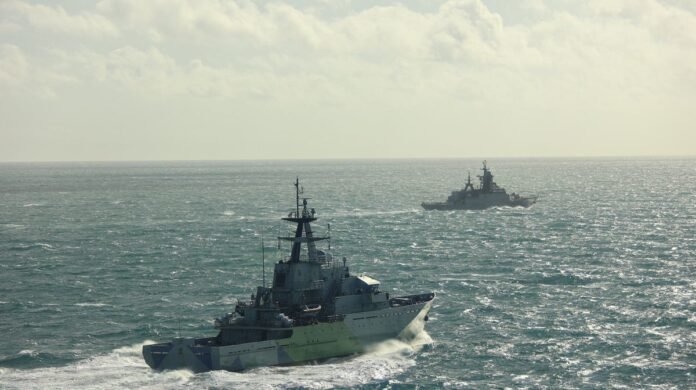
Shipping data suggests that the likely endpoint for the tanker is Matanzas, Cuba, with industry insiders supporting this claim. The vessel’s journey, including being escorted through the English Channel by a Russian naval ship, has attracted military attention. This incident follows a recent incident where another Russian-origin tanker, the Sea Horse, carrying gas oil, abruptly changed course in the Atlantic due to concerns about US repercussions, underscoring the mounting pressure on shipping companies amid heightened tensions.
As the US intensifies its blockade enforcement, including intercepting tankers bound for Cuba, tensions between the two nations continue to escalate. Although US military resources are strained by other global conflicts, General Francis Donovan reassured Congress that the US had no immediate plans to overthrow or occupy Cuba. Despite Trump’s aggressive rhetoric towards Cuba’s leadership, Cuban President Miguel Díaz-Canel remains defiant, vowing to resist any external aggression against the nation.
Russia has expressed support for Cuba in the face of economic challenges resulting from US sanctions. Kremlin spokesman Dmitry Peskov affirmed Moscow’s willingness to aid Cuba, characterizing the island as an independent state grappling with severe economic hardships due to the US embargo.