
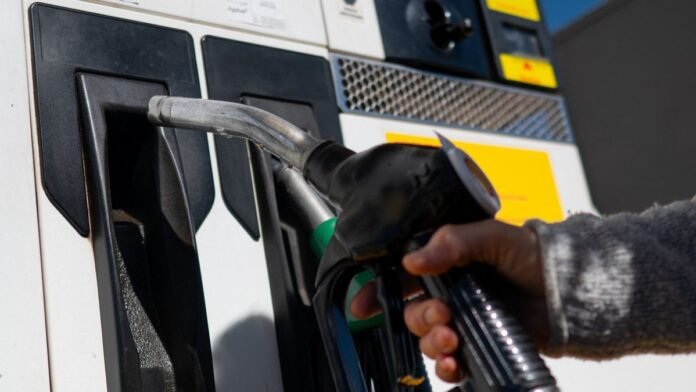

Fuel prices are expected to decrease soon following a ceasefire agreement between the US and Iran. The deal, brokered by Donald Trump and Tehran just before a US President’s deadline, caused a significant drop in oil prices. Brent crude plummeted from approximately $110 per barrel to below $94 in early Wednesday trading, although it remains well above the pre-conflict level of $70 from late February.
The impact of the crisis was most felt by UK households in terms of petrol and diesel prices. There are concerns about “price gouging” as the surge in oil costs quickly translates to higher prices at the pump. Pressure is mounting on fuel stations to pass on the substantial reduction in oil prices, now below $95 a barrel, following the ceasefire deal.
According to the AA, the national average for unleaded fuel currently stands at 157.2p per liter and 189.2p for diesel, compared to pre-war prices of 132.83p and 142.38p respectively. Nigel Green, the chief executive of deVere Group, mentioned that drivers may experience some temporary relief with lower petrol and diesel prices, but the elevated oil prices still affect the overall economy, leading to increased costs and impacting household finances.
Stock markets reacted positively to the ceasefire deal, with the FTSE 100 surging around 250 points in early trading. Matt Britzman, a senior equity analyst at Hargreaves Lansdown, highlighted that the ceasefire agreement and efforts to reopen the Strait of Hormuz have improved market sentiment. Despite the positive developments, oil prices are expected to remain volatile until a more permanent resolution is reached.
The likelihood of an interest rate hike has diminished, contingent on the ceasefire’s stability, which would be welcomed news for numerous borrowers.