

Iranian officials are reportedly hesitant to proceed with the burial of the deceased Supreme Leader months after his death. Ali Khamenei, aged 86, was killed in a joint US-Israeli airstrike on February 28, triggering a conflict between Iran and the US. The cleric’s body remains unburied, deviating from traditional practices, as indicated by a report from the New York Post.
A security expert has suggested that Tehran’s delay in conducting the burial is due to fear and reluctance. In contrast to the massive public mourning witnessed during the state funeral of Ayatollah Ruhollah Khomeini in 1989, there has been a noticeable absence of similar displays for Khamenei amid recent airstrikes that targeted key regime figures.
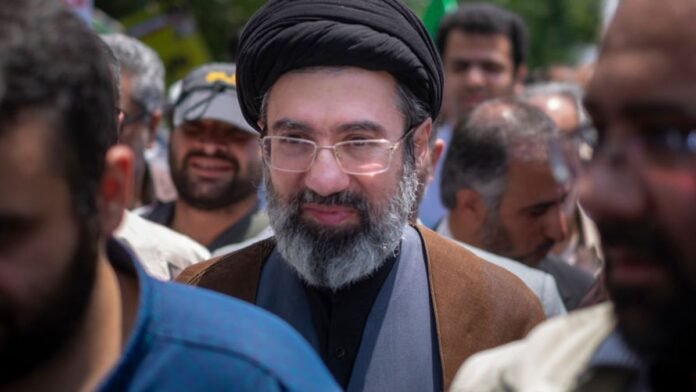
Concerns over potential Israeli airstrikes, nationalist protests, and the mysterious absence of Mojtaba Khamenei, the late leader’s son and successor, have contributed to the hesitation in holding a burial ceremony. The regime appears cautious about the repercussions of public gatherings and the dissemination of information.
Reports indicate that Iranian authorities are contemplating Mashhad, a northeastern city distant from Israel, as a potential burial location for Khamenei. Mashhad holds significance as Khamenei’s birthplace and offers both practical and symbolic advantages. One proposed plan involves burying Khamenei near a well-guarded shrine to ensure the security of his grave.
Initially scheduled for March 4, a three-day state funeral for Khamenei was abandoned amidst extensive Israeli and US military actions in the region. The date for the burial ceremony remains uncertain. The US and Iran recently agreed to a temporary truce, effective until a specified date in the near future.