
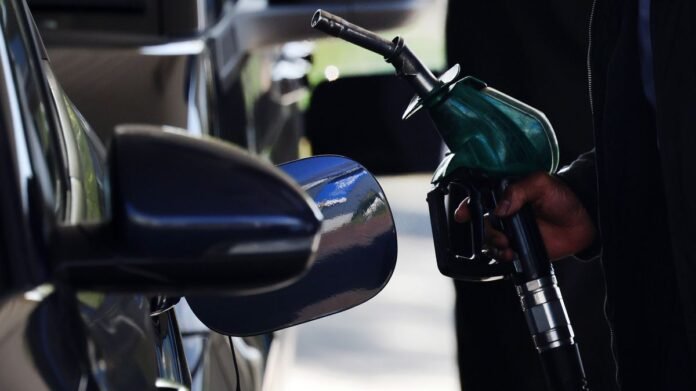

Fuel prices remained steady for drivers nationwide over the weekend, with the potential for an increase looming ahead. According to data from the RAC, the national average price for unleaded fuel stood at 157.17p per liter on Monday, while diesel was priced at 189.23p per liter, showing minimal changes from Friday. Despite a slight decrease from their recent peak on April 15, with unleaded down just over 1p per liter and diesel down 2.3p, prices are still notably higher compared to before the Middle East conflict started in late February.
The AA highlighted that only a marginal 1p reduction out of a consistent 10p per liter decline in wholesale diesel costs has been passed on to consumers in the UK so far. The average diesel pump price across the country dropped from 192p per liter to 191p last week. Both petrol and diesel have experienced significant decreases in wholesale prices retailers pay since April 7, with diesel initially falling by 25p per liter before partially rebounding but showing a net reduction of 10p to 15p per liter.
While supermarkets in Northern Ireland have observed a nearly 4p per liter decrease in diesel prices, the rest of the UK has not experienced a reduction greater than 10p, as reported by the AA. Luke Bosdet, the spokesperson for the AA on pump prices, emphasized the importance of lowering diesel prices promptly due to its vital role in powering various sectors like haulage, deliveries, and rural communities.
Regarding petrol prices, the AA noted the influence of ceasefire negotiations on wholesale costs, indicating that a substantial reduction in pump prices does not seem likely at present. Oil prices surged by almost 3% on Monday due to stalled peace talks between the US and Iran, with shipments through the Strait of Hormuz remaining constrained. Brent crude reached $108.36 per barrel, its highest level in three weeks.
Efforts to revive peace talks diminished over the weekend, with US President Donald Trump expressing willingness for Iran to initiate negotiations to end the ongoing conflict. Iranian Foreign Minister Abbas Araqchi engaged with mediators from Pakistan and Oman before heading to Russia, while the US and Iran continue to face challenges in resolving issues such as Iran’s nuclear ambitions and passage through the Strait of Hormuz.
Tensions have led Tehran to restrict traffic through the Strait of Hormuz, while the US has imposed a blockade on Iranian ports. Data from Kpler shipping indicated limited traffic through the waterway, with only one oil products tanker entering the Gulf on Sunday. Russ Mould, investment director at broker AJ Bell, highlighted the significant market shift towards the Middle East crisis, with Brent oil prices rising by 25% in the past 10 days. The recent surge in oil prices reflects the evolving dynamics of the conflict, marking a departure from the temporary dip observed on April 17.