
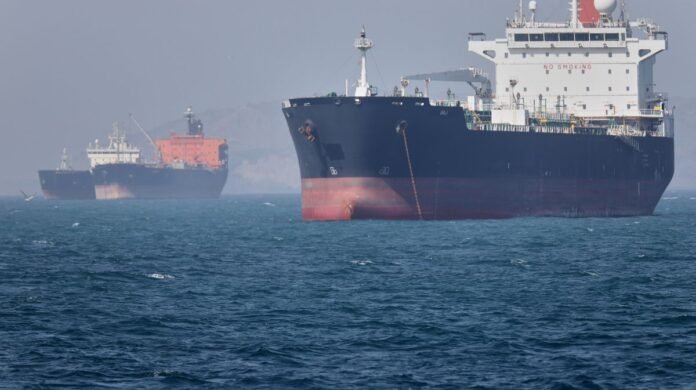

Oil prices surged amid escalating tensions in the Strait of Hormuz, jeopardizing the fragile truce between the US and Iran. The Middle East has been embroiled in conflict since February 28, following joint US-Israeli strikes on key Iranian targets, prompting retaliatory actions from Iran that led to the closure of the vital trade route through the Strait of Hormuz, a passage crucial for 20% of global oil trade.
In response, the US imposed a blockade on Iranian ports in the strait to choke off the Iranian economy, with President Trump announcing plans to escort non-conflicting commercial vessels out of the region. Despite these efforts, concerns linger in the markets. Brent Crude, the leading global oil price benchmark, surged by 6% to reach $114.44 per barrel on Monday before slightly easing to $113.54 on Tuesday morning.
Amid the escalating situation, the US military confirmed the destruction of six Iranian small boats in response to attacks on commercial vessels, while the United Arab Emirates reported incidents of missile and drone attacks from Iran. Analysts noted a growing expectation of further oil infrastructure damage and extended trade route closures, leading to increased oil prices.
The UAE reported engaging multiple missiles and drones launched from Iran on May 4. The defense ministry disclosed intercepting 12 ballistic missiles, three cruise missiles, and four drones, with one missile hitting a petroleum facility in Fujairah, sparking a fire. President Trump announced US military guidance for vessels navigating the strait, yet maritime traffic in the region has not fully resumed.
Further incidents were reported, including a ship being struck north of Dubai, resulting in an engine room fire, with all crew members safe. The International Maritime Organization estimated around 20,000 seafarers stranded on approximately 2,000 vessels in the Strait of Hormuz.