
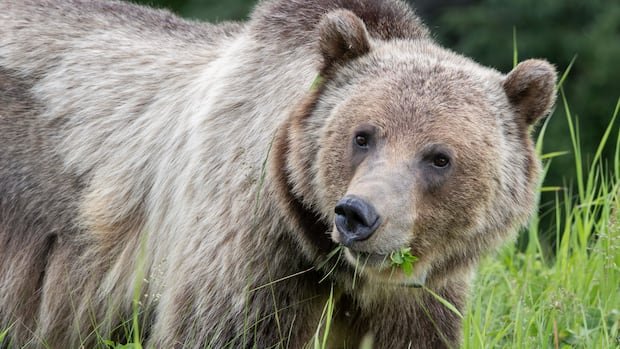

Alberta officials are currently investigating a series of incidents involving the illegal killing of grizzly bears by poachers in the region. The Alberta Fish and Wildlife Enforcement Services is looking into the deaths of four grizzly bears at different locations. One of the bears was discovered shot along a road near Swan Hills, approximately 20 kilometers north of Edmonton, on September 30. The following day, another grizzly bear was found deceased in a remote area between Little Smoky and Fox Creek, with all four paws removed.
This follows earlier cases in June where two grizzly bears were found shot along a road near Sundre, nearly 95 kilometers northwest of Calgary. Additionally, in March of this year, the province sought public assistance in a poaching investigation after a grizzly bear was found dead from a gunshot wound in November 2025.
The province emphasized that the illegal killing of grizzly bears is a serious matter. Hunting grizzly bears has been prohibited in Alberta since 2006, except for Indigenous hunters conducting subsistence or cultural harvesting.
Authorities are urging anyone with information on these poaching incidents or other suspected wildlife crimes to report to the Report-A-Poacher line or submit online reports on alberta.ca/report-poacher. Informants providing details leading to charges may be eligible for a cash reward under the Report-A-Poacher program.
Biologist Gordon Stenhouse, known for his research on Alberta’s grizzly bear population, expressed disappointment over the recent incidents, citing a general disregard for wildlife, especially for a threatened species like grizzly bears. Stenhouse believes that the discovered cases of poached bears likely represent only a fraction of the actual occurrences.
Mark Boyce, an ecology professor at the University of Alberta, highlighted the existence of a black market for grizzly bear paws, indicating illicit motivations behind poaching activities. He stressed the need for better co-existence strategies between humans and bears to address conflicts arising from wildlife encounters.
Bear safety expert Kim Titchener emphasized the necessity for communities in bear-inhabited areas to prioritize non-lethal measures such as electric fencing and bear-resistant containers to prevent conflicts rather than resorting to killing bears. Conservation efforts, including the BearSmart programs and investments in rural property protection, are being promoted by the Alberta government to minimize human-wildlife conflicts and protect grizzly bear populations.
While the province estimates the current grizzly bear population in Alberta to be around 1,000, there hasn’t been a comprehensive provincial grizzly bear population study since 2018.