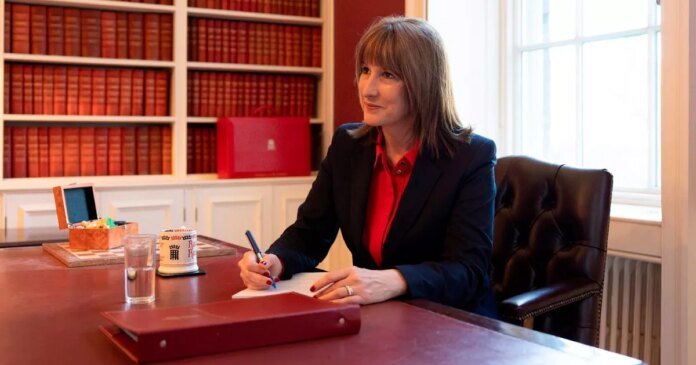

Rachel Reeves has pledged that the Budget announced today will increase the earnings of the lowest-paid workers in the UK. The Chancellor is expected to reveal her economic plans in the Commons around 12:30 pm to address a significant £20 billion deficit in public finances resulting from 14 years of Tory austerity.
Amid speculation about potential tax increases, the Chancellor has assured that the Budget will aim to reduce the cost of living for struggling families. Reeves is set to have her “red box moment” outside Number 11 Downing Street at approximately 11:20 am before presenting her proposals to MPs in the Commons.
In preparation for the Budget, Rachel Reeves emphasized the importance of addressing NHS waiting times and reversing the adverse effects of underfunding caused by years of Tory austerity on healthcare services. She expressed the need to prioritize cutting NHS waiting lists and ensuring timely treatment for patients.
It is anticipated that the controversial two-child benefits cap, introduced during Tory austerity, will be scrapped. Campaigners against poverty and Labour MPs have long advocated for ending the policy, which restricts child tax credits and universal credit to families with only two children.
Farmers staged a protest in Westminster on Budget day, demonstrating against inheritance tax and bringing tractors to Whitehall despite police restrictions. The protest included a tractor parked outside Parliament on Abingdon Street and several tractors driving through Westminster.
Reeves announced plans to implement the first freeze in rail fares in 30 years to alleviate the financial burden on travelers as ticket prices continue to rise. The freeze will apply to season tickets, peak returns, and off-peak returns between major UK cities, ensuring passengers do not face any fare increases.
In a prelude to the Budget speech, the Chancellor disclosed intentions to increase both the National Minimum Wage and the National Living Wage, benefiting millions of workers across different age groups. The National Minimum Wage will rise by 8.5% to £10.85 per hour, while the National Living Wage for individuals aged 21 and above will increase by 4.1% to £12.71 per hour. Additionally, apprentices and 16-17-year-olds will see a 6% raise to £8 per hour.