
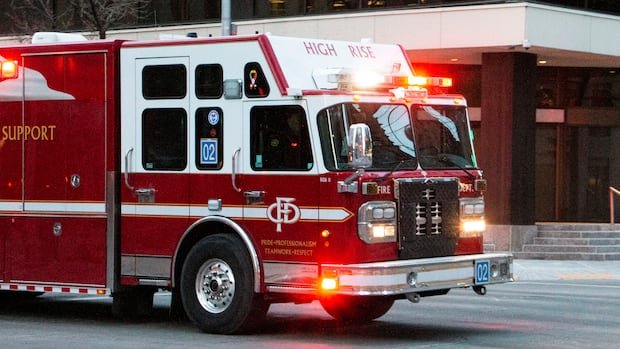

New figures released by the City of Calgary indicate that the fire department is projected to respond to over 170% more overdose calls this year compared to the previous year. Fire Chief Steve Dongworth highlighted that the surge in overdose calls is part of a broader increase in medical calls, potentially leading to a record-breaking year with nearly 100,000 anticipated calls.
According to Dongworth, these overdose calls now represent around half of all emergency calls, underscoring the evolving responsibilities of firefighters and the challenges they face. The shift in duties poses implications for service performance and unit availability, affecting the promptness of response.
To navigate these challenges, the fire department has undertaken efforts to identify which calls necessitate a fire department response. However, despite these measures, the escalating number of opioid-related overdoses continues to strain resources, offsetting the gains achieved by streamlining response protocols.
The demanding nature of these calls also takes a toll on the well-being of staff, as they frequently engage with individuals in distressing circumstances that may culminate tragically. Notably, there has been a noticeable uptick in the number of department members taking leave due to the emotional toll of such encounters.
In light of these mounting pressures, Dongworth emphasized that the department will require increased budgetary allocations from the city to adequately address these challenges. Additionally, he is advocating for provincial assistance to alleviate the financial burden associated with the surge in medical calls, particularly overdose incidents.
While seeking support from the province, the fire department is reaching out to explore avenues for financial reimbursement to lessen the strain on its resources and service capabilities. This request aligns with the department’s efforts to optimize its response to medical emergencies and mitigate the strain caused by the escalating overdose incidents.
Discussing the factors contributing to the overdose spike, Monty Ghosh, an addictions specialist and academic at the University of Calgary and University of Alberta, highlighted the evolving local drug supply as a potential catalyst. Ghosh pointed to the proliferation of potent forms of fentanyl combined with potent animal tranquilizers, a prevalent mixture in street drugs aimed at extending the duration of the user’s high.
The altered drug composition has posed challenges for overdose response efforts, as individuals may not respond effectively to traditional naloxone dosages, necessitating additional medical interventions. This shift in drug potency could explain the surge in emergency calls to firefighters, as community members seek assistance from EMS or fire services to manage overdoses requiring advanced medical attention.