
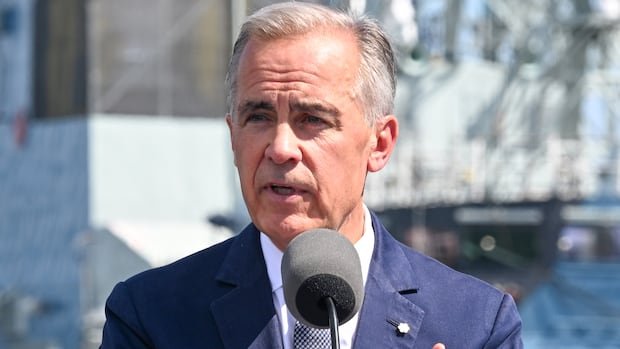

Prime Minister Mark Carney expressed readiness to resume negotiations with the Trump administration once the U.S. shows genuine interest in a mutually beneficial economic partnership and ceases treating Canada as a subordinate entity. Carney emphasized the importance of approaching the negotiating table with a cooperative attitude towards Canadian industries. He acknowledged the existing Canada-U.S. trade agreement (CUSMA) but highlighted the potential for further enhancements that benefit all involved parties. Carney firmly stated that Canada would not tolerate any negotiations implying Canada’s inferiority to the U.S. or placing Canadian industries at a disadvantage.
Following the introduction of contentious last-minute changes by the U.S. team, Canada withdrew from the negotiations, citing the unfair and detrimental nature of the proposed amendments. Carney outlined how these demands would have impeded Canada’s ability to engage in trade agreements with other nations and posed a threat to French-language media subsidies and bilingual product labeling requirements. Subsequently, approximately $28 billion worth of Canadian exports to the U.S. faced a significant 50% tariff increase over the weekend.
Addressing the U.S.’s intentions, Carney criticized the proposed auto deal, warning that it would gradually undermine the industry, a scenario he could not accept. President Donald Trump’s announcement of escalating tariffs on Canadian automobiles, car parts, and steel to 50% by January 1 was met with concern. Carney highlighted the detrimental impact such measures would have on the Canadian economy and industries. The discussion also turned to the possibility of Canada imposing surcharges on electricity exports to the U.S. as a retaliatory measure, with Ontario Premier Doug Ford suggesting this action in response to the latest tariffs.
Moreover, Carney stressed Canada’s strategic position as a key supplier of energy, minerals, auto parts, and industrial products to the U.S., countering Trump’s assertions. Despite the escalating tensions, Carney emphasized remaining composed and exploring positive initiatives to address the situation. During his visit to Lévis, Carney announced substantial funding for Quebec’s shipbuilding industry, emphasizing the use of Canadian steel in constructing new icebreakers for the Canadian Coast Guard.
While Carney outlined conditions for Canada’s return to the negotiation table, U.S. Vice-President JD Vance hinted at ongoing discussions, emphasizing the need for respectful dialogue. The article also highlighted the escalating rhetoric between the two countries, with both sides expressing dissatisfaction with the current trade dynamics.