
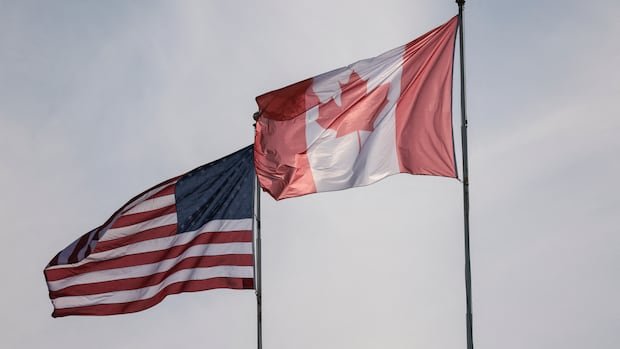

Canada and the United States are currently engaged in a significant trade conflict, with potential repercussions that could be challenging for individuals to dismiss. Recently, trade discussions between the two nations broke down, leading to the enforcement of U.S. tariffs at a rate of 50% on $27.6 billion worth of Canadian products. In response, Prime Minister Mark Carney unveiled plans for retaliatory “dollar-for-dollar” tariffs on $27.6 billion worth of equivalent U.S. goods, scheduled to go into effect on September 8th.
Subsequently, President Donald Trump threatened additional tariffs, proposing an escalation of levies on Canadian vehicles, auto parts, and steel from 25% to 50%, set to be implemented on January 1, 2027. Both sides appear resolute in their positions, with no signs of backing down. The prolonged standoff could lead to increased repercussions for Canadians, prompting the Canadian government to allocate $7.5 billion to support workers and businesses affected by the new tariffs.
As tensions rise, reporters in Washington, including Willy Lowry, Katie Simpson, and Paul Hunter, delve into the potential severity of the ongoing trade war and what actions might be necessary to facilitate a return to negotiations. The situation is expected to result in challenging circumstances for Canadians, with discussions revolving around the economic impact on businesses, individuals, and communities. The need for resilience and potential social support measures may become critical as the trade dispute unfolds, influencing daily lives and financial stability across the country.