
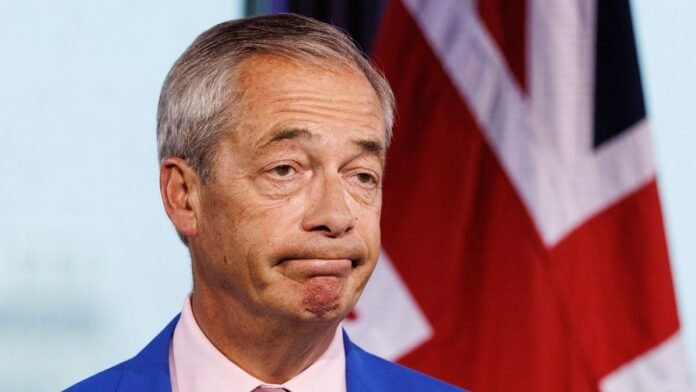

Nigel Farage, clad in a blue suit and red tie, stood confidently at the podium, displaying his trademark mix of charm, political strategist, and a hint of self-pity. Expressing his reluctance towards a political career and emphasizing his role in the Brexit movement, Farage declared, “I’ve done my part! I couldn’t have done more!” However, he also acknowledged the personal toll it took on him, stating, “I want my life back, and it starts now!”
This retrospective moment occurred not in 2026 but in 2016, marking a decade since Farage’s memorable “I want my life back!” speech. Like a tumultuous relationship, Farage has a history of resigning and returning to the forefront of British politics. From multiple resignations as UKIP leader to founding the Brexit party, later rebranded as Reform UK, Farage’s political journey has been characterized by twists and turns, with him stepping down only to resurface in leadership roles repeatedly.
In his latest move, Farage announced his resignation as the MP for Clacton, only to set the stage for his return to the same position. Amidst this political maneuvering, Farage vehemently defended himself, proclaiming his innocence. Dressed in a striking electric blue suit, Farage’s speech echoed familiar themes of challenging the establishment and media, alongside assertions of his integrity.
The event showcased a range of emotions from Farage, switching between passionate outbursts and somber reflections. Notably, he delved into obscure conspiracy theories, adding an unexpected twist to his address. As he navigated through his speech, Farage’s theatrics and bold statements captured attention, culminating in a dramatic and somewhat puzzling performance.
Farage’s decision to step back coincides with challenges facing his party, including declining support and internal conflicts. Allegations regarding financial benefits received from individuals like George Cottrell have also cast a shadow over his political career. Moreover, ongoing investigations into his financial dealings and questions about transparency have added to the political turbulence surrounding Farage.
Despite citing personal security concerns and the need for privacy, Farage’s actions have drawn scrutiny. Comparisons to other politicians facing threats, such as Jo Cox and David Amess, who tragically lost their lives, have sparked controversy. As Farage navigates this turbulent political landscape, his claims of being a target for threats and challenges from the establishment continue to fuel debates within the political arena.
In the midst of these complexities, Farage’s strategic maneuvers and provocative statements underscore a political landscape fraught with uncertainties and conflicting narratives. As he embarks on the next chapter of his political journey, the legacy of Nigel Farage remains intertwined with controversy, resilience, and a relentless pursuit of challenging the status quo.