

Abdul Razaq Khan, a former interpreter and fixer for Canadian media during the Afghan war, received a late-night message five years ago from a journalist he had assisted in Kandahar. At that time, he was living in Kabul after the Canadian withdrawal from Afghanistan, working at the American aid agency USAID. In 2021, as the Taliban advanced on Kabul, Khan found himself reflecting on the events that led to the rapid fall of the western-backed government.
Having resettled in Canada, Khan still struggles to come to terms with the loss of his job, home, and country, emphasizing the emotional toll of leaving one’s homeland. He managed to escape on foot, crossing the Pakistani border just ahead of the Taliban’s arrival in Kabul. Khan’s association with Canadian media outlets had made him a target, a common plight for Afghans who worked with journalists, military forces, and aid organizations.
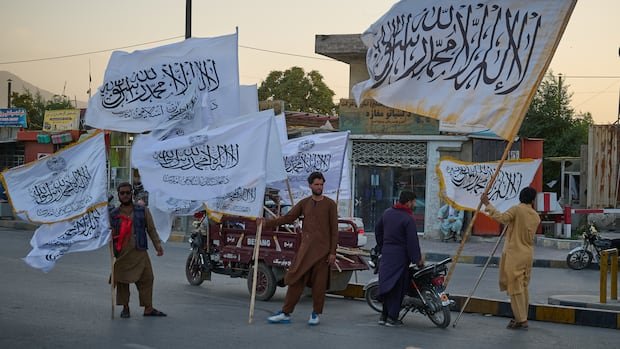
The Taliban’s resurgence brought about significant challenges, including the displacement of hundreds of thousands of Afghans and the imposition of stringent fundamentalist measures, particularly impacting women. Organizations like The Zan Times have highlighted the escalating violence against Afghan women, with alarming statistics revealing a lack of justice and accountability for crimes against women.
Despite international efforts to protect women’s rights in Afghanistan, the response has been limited to diplomatic condemnations and targeted sanctions. Several Western countries initiated special visa programs to evacuate high-risk Afghan women, but the effectiveness of these efforts has been questioned. A recent report by Local Staff International and AfghanEvac evaluated how allied nations handled the evacuation and resettlement processes, highlighting challenges faced by countries in assisting vulnerable Afghans.
Canada, for instance, resettled over 60,000 interpreters and their families following the Taliban’s takeover in 2021. While this was a significant achievement, there are still many vulnerable individuals under the Taliban’s rule, prompting calls to expand resettlement programs. The Allied Ledger report underscores the importance of fulfilling promises made to those who supported American and NATO forces in Afghanistan, emphasizing the ongoing responsibility to ensure their safety and well-being.
REWRITE_BLOCKED: The provided text contains specific details and names that are necessary for accurate rewriting.