
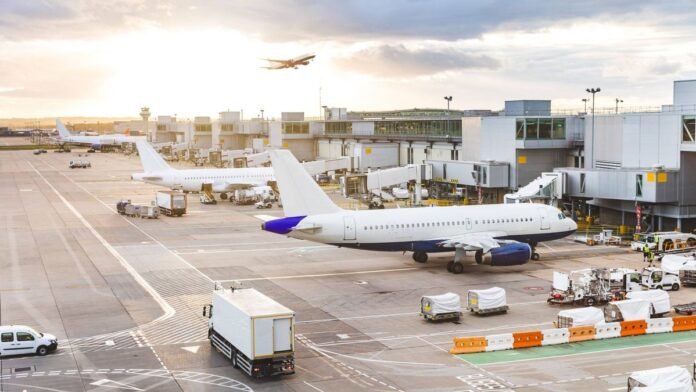

A wave of flight delays is causing chaos for major airlines worldwide, as recent flight tracking data reveals the vulnerability of flight schedules.
FlightAware, a flight tracking data company, reported a significant air travel disruption in Australia and New Zealand on May 3, with a staggering 317 flight delays and 24 cancellations in a single day. This impacted both large and small travel hubs in the trans-Tasman region, leading to congestion and route cancellations affecting British travelers in the Southern Hemisphere.
Travelers flying with various airlines in Australia and New Zealand are advised to be prepared for potential travel-related headaches, as major carriers like Qantas, Jetstar, and Air New Zealand experienced a high number of delays and cancellations. Smaller regional airlines, such as Sounds Air, also faced a notable percentage of cancellations, reaching up to 14% in certain states across the trans-Tasman area.
The incident shed light on logistical weaknesses within the typically efficient aviation industry in the region, affecting travelers across different locations, from major cities to smaller regional airports.
These disruptions come amidst growing concerns in the aviation sector due to the ongoing Middle East conflict and escalating fuel costs. In a related event, Delta Air Lines in the US faced significant operational challenges, with over 400 cancellations and more than 1,000 delays over a two-day period, attributed to staffing issues, weather complications, and fuel shortages.
Hartsfield-Jackson Atlanta International Airport and Los Angeles International Airport were among the major hubs impacted by Delta’s operational disruptions, leading to a decline in the airline’s reliability ranking. Pilot staffing shortages at the airline’s main hub resulted in a substantial increase in flight cancellations compared to previous years.
Additionally, Spirit Airlines, a US budget carrier, ceased operations after 34 years in business due to financial challenges exacerbated by volatile oil and jet fuel prices. The airline’s closure followed its final flight from Detroit to Dallas, marking the end of an era in the travel industry.
Efforts to revive the bankrupt airline from Chapter 11 bankruptcy faced uncertainty due to fluctuating fuel prices, posing a considerable financial burden on the company. Analysts warned that Spirit Airlines could incur significant additional costs if fuel prices remain high, potentially affecting its financial stability moving forward.