

In a surprising turn of events, Hannah Spencer of the Green party emerged victorious in Greater Manchester, successfully keeping Reform’s divisive politics at bay. This outcome dealt a significant blow to the already disheartened Labour party, as Spencer secured a comfortable majority in a constituency that Labour had won with 13,413 votes just a year and a half ago.
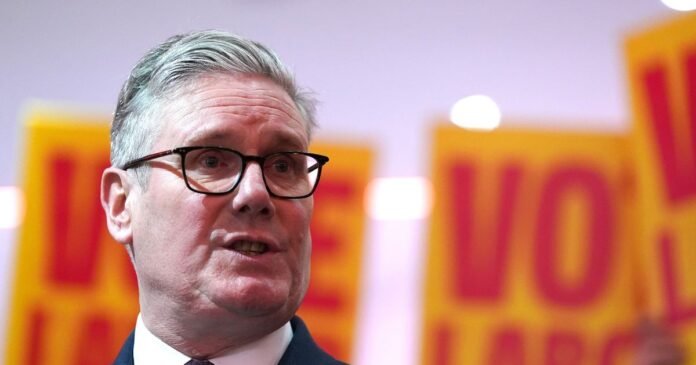
The defeat left Labour reeling, with many MPs expressing concerns about the potential implications for Keir Starmer, who recently faced a political survival battle. Despite a vigorous campaign effort by Labour, including high-profile figures like Andy Burnham and Angela Rayner actively canvassing, voters opted for the Greens as the alternative to Reform.
While by-election results may not necessarily forecast general election outcomes, the Greens’ success in defeating Reform and offering a left-wing option has highlighted their potential beyond traditional strongholds. This victory underscores the shifting political landscape and introduces a new challenge for Labour, which now faces threats from both the right and the left.
Looking ahead, upcoming elections in Scotland, Wales, and local councils in England pose significant challenges for the current government. Additionally, the decision to prevent Andy Burnham from standing in the election has sparked debates over whether his candidacy could have altered the outcome. Despite the complexities of this decision, the responsibility ultimately falls on the Prime Minister’s shoulders.
As the political scene evolves, the recent by-election results serve as a stark reminder of the fluidity and unpredictability of public sentiment. The stakes are higher than ever, setting the stage for intense competition and strategic maneuvering in the lead-up to future electoral contests.