
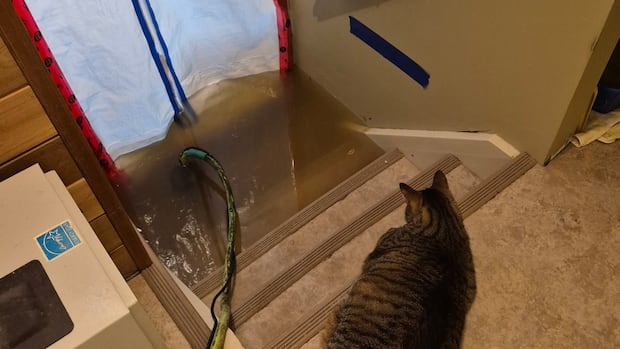

More than two weeks have passed since a cleanup team from Terry Davison’s insurance provider visited his residence in St. Catharines, Ontario, to catalog and seal his belongings, which were contaminated by sewage due to flooding and sewer backup in July.
Following the first storm, he managed to connect with his insurance company; however, after a second storm struck on August 3, Davison lost contact with his adjuster and has yet to receive any updates.
“I’ve sent emails, made phone calls, and left messages, asking, ‘Can you please just return my call? Can you at least confirm that you received my emails?’” Davison shared with CBC Niagara.
He often finds himself in his backyard, worried that the lack of air conditioning combined with a sewage-tainted basement might exacerbate his chronic obstructive pulmonary disease.
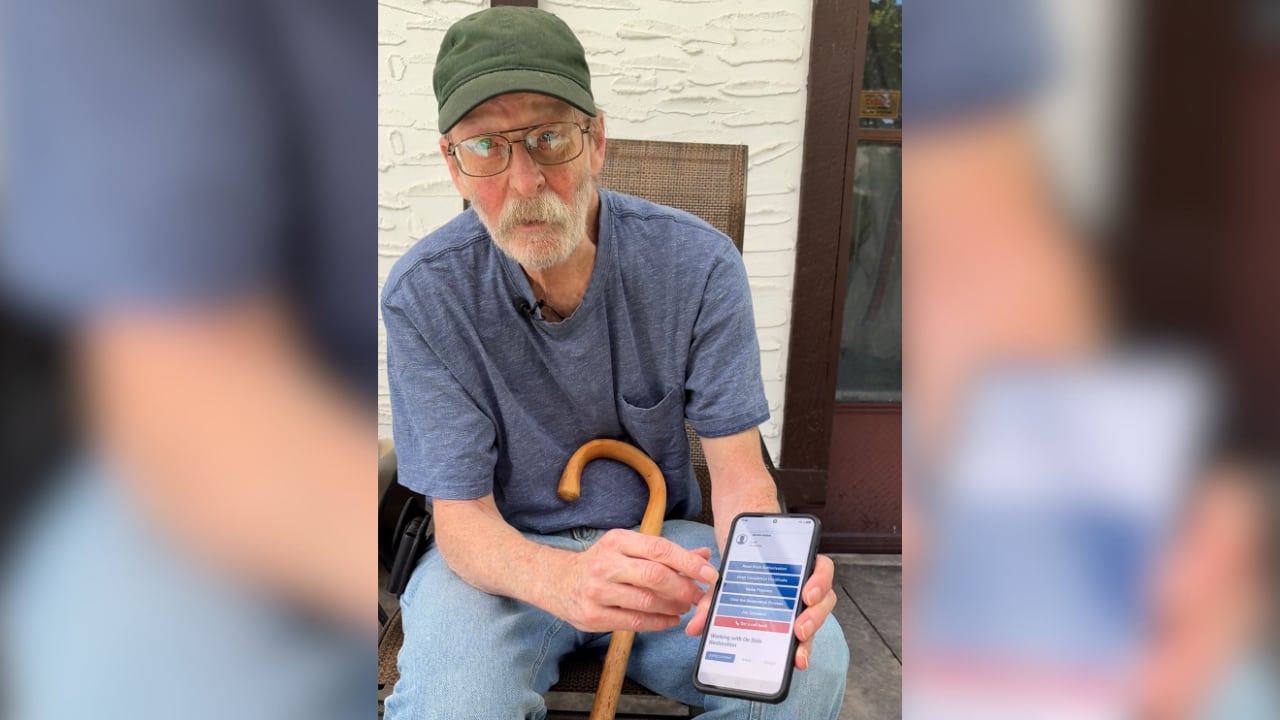
Davison displays a mobile application he uses to monitor his home insurance claim and the status of the restoration crew. He mentions that some of the app’s buttons are unresponsive. (Diona Macalinga/CBC)
He mentioned that he is unable to replace his furnace and hot water tanks until the restoration company from his insurer assesses and verifies the damage.
“You find yourself at the mercy of the insurance companies,” Davison expressed.
As time progressed, Davison’s situation became increasingly pressing.
He contemplated whether he could afford to wait any longer for his insurance company to send its restoration team to replace his damaged furnace and hot water tanks and ensure the expenses would be covered.
Alternatively, he considered calling in his “furnace guy” to do the job immediately, but this might result in him having to pay $8,500 out of pocket if the insurance company denies coverage for the appliance.
Before disposing of any contaminated or damaged materials and drywall, it’s essential to capture photos and videos, advised Anne Marie Thomas, the director of consumer and industry relations at the Insurance Bureau of Canada.
“You don’t have to wait for a restoration service to come and handle that,” Thomas noted.
However, similar to what Davison was informed by his adjuster, Thomas cautioned, “If you hire someone, make sure you have the appropriate coverage or be ready to cover the costs yourself.”
Document all damage thoroughly
Thomas emphasized that the most critical step to take initially is to document all the damage extensively.
“Document, document, document,” Thomas urged.
“From the perspective of an insurance company, there is no such thing as having too much information. Even the tiniest detail should be recorded. Make a list of every single item that was lost.”
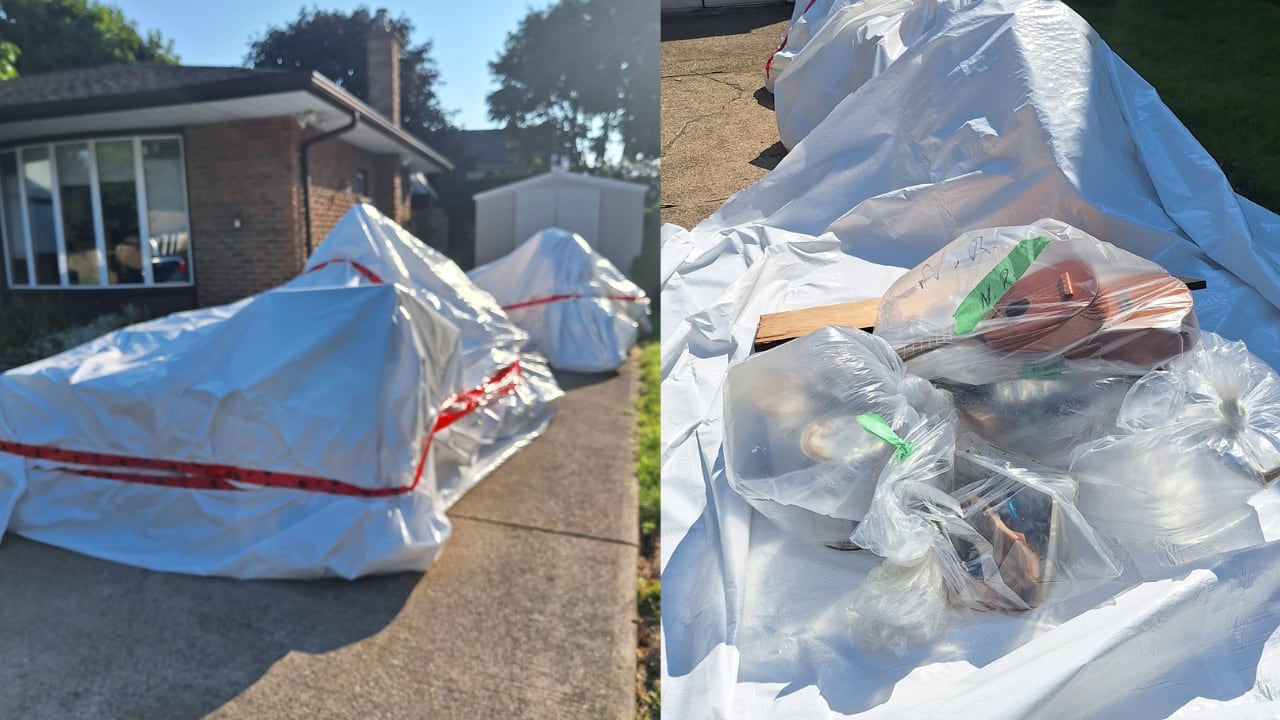
Davison states that the sewage-contaminated debris has been accumulating in his driveway for over two weeks. (Margaret Davison/CBC)
She recommends providing precise estimates of the costs associated with the items that were damaged or lost to expedite the claims process, especially during a time when adjusters are overwhelmed with requests.
“Insurance adjusters are not only dealing with a surge of claims; restoration companies are facing the same situation,” she remarked.
“It may take significantly longer to navigate through an insurance company or finalize a claim during a major event like this… It simply requires time, unfortunately.”
Consider adding sewer backup and overland flooding coverage
Another crucial step homeowners should take before an adjuster arrives—or before another extreme weather event occurs—is to confirm that their home is covered for risks that are particular to their area, Thomas indicated.
“Many people are unaware that not all insurance policies include coverage for sewer backups or overland flooding,” Thomas stated. “If you didn’t purchase it, you might find yourself lacking any coverage.”
According to David Mayer, director of insurance and underwriting at Rates.ca, coverage for sewer backup and overland flooding are typically considered add-ons.
The insurance comparison firm offers a public tool called Insuramap, which highlights common risks based on historical claims and weather patterns for each postal code.
In contrast to auto insurance, where premiums can rise after filing a claim, home insurance premiums depend on the assessed risk of various factors such as crime, overland flooding, wildfires, hail, and more.
If the consecutive floods in St. Catharines resulted in claim losses exceeding the usual rates, it could potentially lead to increased premiums, Mayer explained.
“However, that doesn’t automatically mean it will happen,” he added.
Thomas also encourages renters to obtain tenant insurance to safeguard their belongings from damage during incidents like floods, as these are typically not covered by their landlords’ home insurance, along with hotel costs in case they need to evacuate.
What to do if my insurer isn’t responding?
For individuals struggling to get in touch with their insurance adjuster, like Davison, Thomas suggests elevating the claim to a claims manager or supervisor.
“If you’ve made every effort to contact the adjuster or their supervisor, every insurance company has an internal ombudsperson,” Thomas stated.
An ombudsperson is available to assist customers with disputes over claims or formal grievances against an insurance provider.
Customers can connect with an ombudsperson internally through the insurance provider’s website, which also outlines the dispute resolution process, Thomas noted.
If they remain dissatisfied with the resolution from the internal ombudsperson, they can escalate their complaint to the General Insurance OmbudService, which operates as an independent third-party organization.
Tag: rewrite-pending