
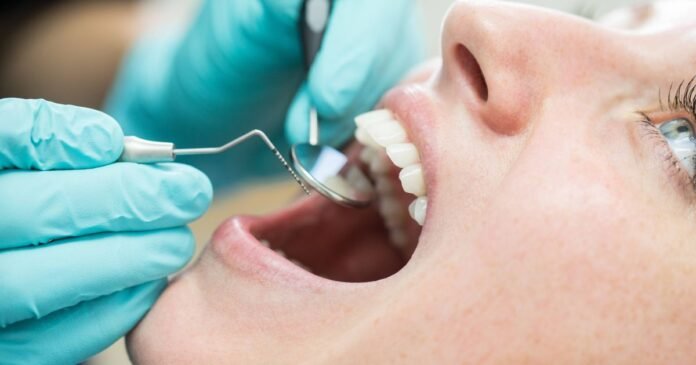

Britain’s private dentistry market, valued at £8 billion, is under investigation due to reports of escalating prices affecting patients. The Competition and Markets Authority (CMA) highlighted a significant surge in treatment costs in recent years. According to the CMA, the average price for an initial private consultation rose by over 23% to £80 between 2022 and 2024. Similarly, routine check-up costs for existing patients increased by more than 14% to £55, and the average price for a simple tooth extraction, a common procedure, jumped by a third to £139 during the same period.
Comparatively, prices in private dentistry are notably higher than those in the NHS. For instance, a “Band 1” treatment, covering a routine dental appointment, costs £27.50, while a “Band 2” treatment, which may include fillings and root canal work, is priced at £75.30.
A market study initiated by the CMA, following concerns raised by Chancellor Rachel Reeves in November, will delve into the private dentistry sector, which constitutes almost 70% of the £12 billion annual dentistry market in Britain. Among the over 12,000 dentistry practices in the country, about 2,000 are part of larger corporations with more than 30 branches each, while the majority, over 8,000, operate independently.
Only 15% of practices exclusively offer NHS services, with nearly a fifth operating solely on a private basis, while the remainder provide a mix of both. The CMA’s findings show that one in five Britons sought private dental care in 2024, primarily due to challenges accessing NHS dental treatment, with the inability to secure NHS treatments and long waiting times being significant issues. A quarter of individuals noted that their local dentists had ceased providing NHS services.
The escalating costs and access issues have led to distressing reports of individuals resorting to “DIY dentistry,” including self-extraction of teeth. Campaigns, such as the Daily Mirror’s Dentists for All, advocate for universal access to NHS dentists, as over 12 million people, equivalent to more than one in four adults in England, face barriers to NHS dental care.
The CMA’s probe will scrutinize both essential and cosmetic dental services, seeking input from patients and professionals to assess the market’s functionality in terms of accessibility, pricing transparency, and consumer rights. Sarah Cardell, CMA’s chief executive, emphasized the importance of clear, timely information for individuals to make informed decisions regarding their dental health.
Rachel Reeves, in her call for a review, criticized the prevalence of hidden costs, lack of transparency, and over-treatment in dental services, emphasizing the need for immediate action to alleviate financial burdens on families amid rising living costs. Concerns were also raised about dentists allegedly conditioning NHS treatment for children on parents opting for private services.
The CMA clarified that its review is not a critique of healthcare providers but an evaluation of the dental market’s consumer impact. Potential outcomes may include direct regulatory action or recommendations for governmental intervention to address market issues. Quoting data from healthcare insurance experts, the CMA highlighted price increases in various dental procedures, underscoring the need for a thorough market assessment.
Eddie Crouch, chair of the British Dental Association, expressed intentions to present factual insights to the CMA regarding the nature of private dentistry services and the decisions influencing individuals’ choices. He emphasized that many families value the quality and cost-effectiveness of private dental care, attributing the lack of NHS options to government policies.
This comprehensive review aims to address concerns surrounding private dentistry, ensuring transparency, affordability, and quality care for all dental patients in the UK.