
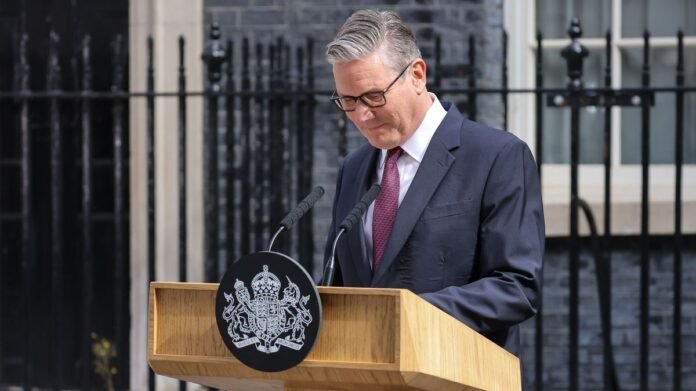

The demise of the previous ruler has paved the way for the uprising of the new leader in the North. The recent resignation of Keir Starmer and the impending rise of Andy Burnham highlight the harsh and competitive nature of politics, where sentimentality holds little value.
Departing Prime Minister, despite overseeing several popular government initiatives such as enhancing workers’ and renters’ rights, missed a crucial opportunity after a significant win in the recent Labour election. The incoming Prime Minister is currently riding a wave of public support but must swiftly translate promises into action to maintain the momentum.
As a self-proclaimed admirer of Everton Football Club, the Labour Party, and the Catholic Church, the newly favored leader faces a critical phase in his political career. Burnham’s supporters emphasize his strategic acumen and the need for clear communication of his values and policies to the electorate.
The expected smooth transition of power without a formal leadership contest on July 16 signals a rapid shift in leadership dynamics. Burnham is urged to hit the ground running to solidify his position and enact necessary changes promptly.
Amid speculations about potential cabinet reshuffles, the Treasury could witness a change in leadership, with Rachel Reeves possibly facing a replacement. The impending reshuffle is expected to be a contentious affair as various factions within the party vie for key positions.
The specifics of Burnham’s policy approach, particularly concerning power and water management, remain unclear. Balancing tougher regulations with public ownership aspirations presents a challenge in meeting the public’s expectations for transformative change.
Achieving the vision of a hopeful, fairer, and prosperous Britain, as promised by the nation’s latest Prime Minister, will require more than rhetoric. Burnham’s ability to engage audiences, reframe past successes, and embrace accolades may prove vital in his leadership journey.