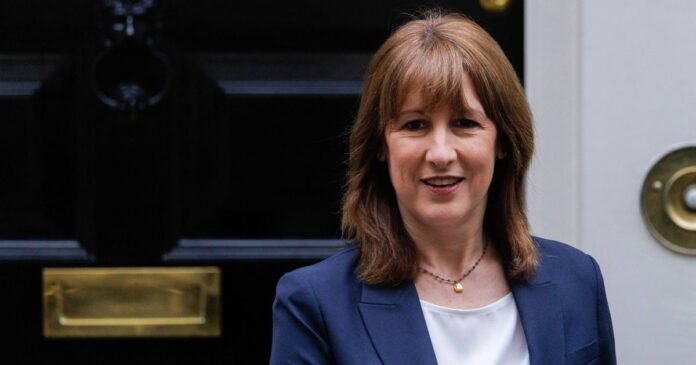

Labour, after a tough loss in the Gorton and Denton by-election, is cautious about worsening the situation. With the upcoming spring statement on Tuesday, the party aims to avoid giving opponents more ammunition. Unlike the Budget, the spring statement is expected to be low-key. Chancellor Rachel Reeves is likely to emphasize Labour’s accomplishments in government and convey a message of stability and optimism to voters and financial markets.
The Institute for Fiscal Studies (IFS) has cautioned about potential risks that could lead to challenges similar to the Autumn Budget. The spring statement is scheduled for Tuesday, March 3, and is anticipated to be brief, lasting around 20 minutes. Major fiscal announcements regarding tax and spending are reserved for the autumn Budget, but adjustments that impact many individuals may still be revealed.
There are no new changes expected in areas like alcohol and cigarette taxes beyond those previously announced. Forecasts from the Office for Budget Responsibility will be closely watched, especially regarding growth and living costs. While economic growth has been modest, inflation has decreased, hinting at a more favorable outlook. Updates on joblessness and migration forecasts are also anticipated, with no significant revisions expected.
For borrowers, cooling inflation may result in an interest rate reduction by the Bank of England, potentially leading to cheaper mortgages. Savers, on the other hand, might witness diminishing returns as deposit rates are likely to decrease in line with borrowing costs. Ms. Reeves could announce targeted assistance initiatives, such as addressing youth unemployment, if fiscal space allows.
Overall, the spring statement is poised to provide insights into the country’s economic outlook and potential policy directions without major fiscal changes.