
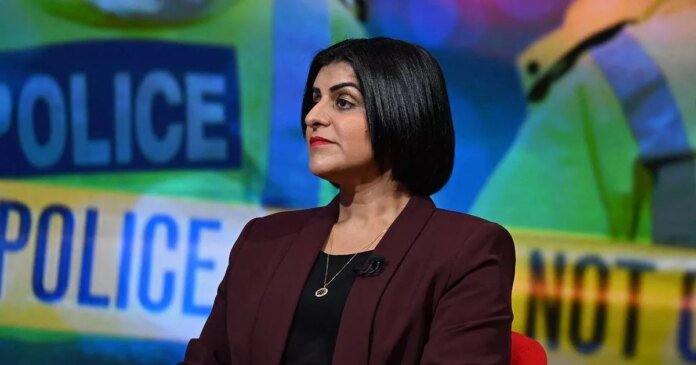

Labour’s success hinges on Shabana Mahmood’s performance as she holds a crucial role in the party’s leadership. The Home Secretary, under Keir Starmer’s high expectations, has swiftly made significant policy shifts since assuming office in September. Her focus now shifts to reforming policing, aiming to modernize a system she deems outdated.
Facing challenging polls and public discontent often directed at the Home Office, Mahmood is not shying away from bold changes. Presenting what is described as the most extensive overhaul of British policing in two centuries, she proposes the establishment of a ‘British FBI,’ enhanced AI integration, mandated response times, and a reduction in the number of police forces.
Comparisons to Sir Robert Peel’s establishment of the Met Police in 1829 underscore the magnitude of Mahmood’s proposed reforms. She highlights the inefficiency of maintaining 43 separate police forces in England and Wales, each with varying operational methods and performance standards. The envisioned changes aim to revolutionize the structure, standards, and accountability of policing in the country, marking a significant departure from traditional practices.
Acknowledging the evolving landscape and the stagnation of policing methods, Mahmood advocates for a transformation that aligns with current challenges. The emphasis on deploying qualified officers more effectively, coupled with the promise of addressing anti-social behavior and enhancing public safety, resonates with the ongoing concerns of the populace.
While the overhaul may face resistance, the National Police Chiefs Council has expressed support for the consolidation efforts. Chairman Gavin Stephens emphasizes the necessity of streamlining decision-making processes to facilitate the adoption of advanced technologies across law enforcement agencies. By unifying resources and strategies, the reforms aim to empower local law enforcement with the tools needed to combat emerging threats effectively.
In navigating these transformative changes, Labour aims to redefine its stance on policing and public safety, potentially reshaping its political narrative. Mahmood’s proactive approach signals a departure from the status quo, indicating a willingness to address longstanding inefficiencies and adapt to modern policing requirements.