
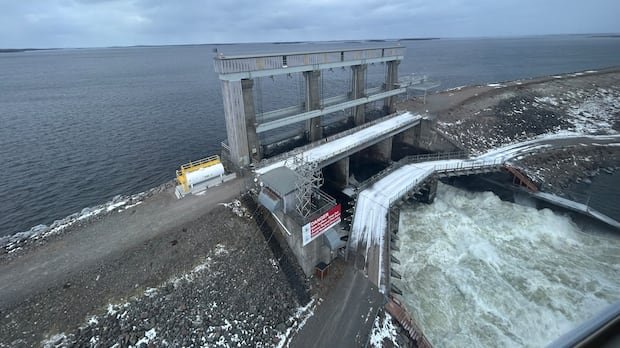

A recent agreement between Newfoundland and Labrador and Quebec regarding Churchill Falls is revealing additional information, outlining plans to enhance energy production and how the output will be divided. Reports from sources without authorization to speak to CBC News disclosed that a memorandum of understanding (MOU) was nearing finalization between the provinces, with an official announcement anticipated in the upcoming week. According to sources close to the negotiations, both provinces are set to receive a significantly higher amount of electricity compared to the previous MOU, with Quebec securing nearly 40% more electricity and Newfoundland and Labrador receiving between 25% and 60% more.
Under the new terms, Quebec is slated to receive approximately 10,000 MW, while Newfoundland and Labrador will be granted a minimum of 2,350 MW, potentially increasing to 3,000 MW. The agreement involves plans to enhance power generation by developing a more potent hydroelectric facility at Gull Island and boosting the turbine capacity at the existing Churchill Falls plant. Notably, the updated deal also incorporates wind energy, a component absent from the 2024 agreement.
Minister Lela Evans, when questioned about the potential referendum on the new deal, emphasized the government’s efforts in fostering economic opportunities and job creation. Labrador City Mayor Jordan Brown expressed the urgency for a new agreement to avert project cancellations and economic downturns in the region. The revised deal guarantees transmission access of 985 megawatts through Quebec, allowing Newfoundland and Labrador to export electricity through Quebec’s network to external markets.
Consultant Gabe Gregory highlighted the importance of market access in the new MOU, emphasizing the need for an independent review of the agreement. Ben Oates from Friends of Renewable Churchill Energy commended the improvements in the deal, emphasizing the significance of securing fair value for power generated from the Churchill River. However, concerns were raised about potential risks to the agreement due to the upcoming election in Quebec.
The finalized details of the MOU are yet to be disclosed, and stakeholders are advised to await further updates before drawing conclusions. Independent scrutiny and adherence to commitments, such as a promised referendum, are considered essential to ensure transparency and public engagement in decisions regarding resource development.