
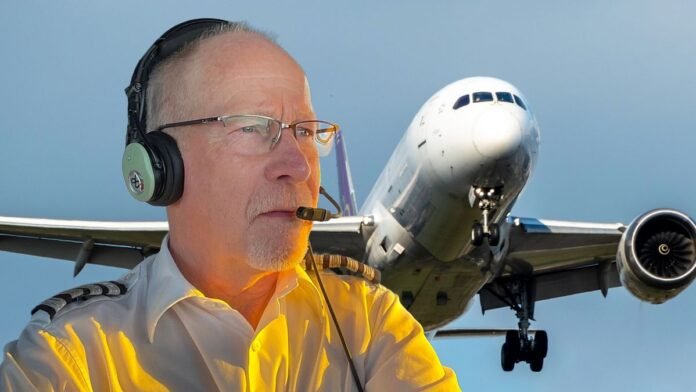

Air travel can trigger fear in many individuals, leading to a mix of excitement and anxiety during holidays. Aviophobia, commonly known as the fear of flying, is a prevalent issue rooted in the feeling of powerlessness in an unfamiliar environment. Most sufferers share common concerns. Seeking advice from fellow nervous fliers on platforms like Reddit or Facebook is common, but direct insights from pilots are rare. Luckily, Simon Tranter, a seasoned pilot with extensive experience in the Royal Air Force and British Airways, now leading training at EmPower Flight, and Dan Bubb, a former commercial pilot teaching aviation courses at the University of Nevada, Las Vegas, shed light on crucial aspects.
Simon emphasized that ticket price does not affect safety standards in aviation. All airlines must comply with strict regulatory laws and safety protocols, regardless of the fare paid. Budget airlines often operate newer aircraft with advanced safety features, focusing savings on business strategies rather than compromising maintenance or pilot training. Dan echoed this sentiment, assuring that budget airlines maintain the same safety levels as higher-priced carriers, emphasizing the standardized training and stringent standards for all airline pilots.
Regarding aircraft capabilities, Simon reassured that airplanes are engineered to withstand extreme forces beyond natural elements. Turbulence, while uncomfortable, rarely poses a threat beyond minor discomfort akin to driving over cobblestones. He emphasized the importance of fastening seatbelts to prevent spillage during sudden bumps. Simon further explained that passengers cannot open aircraft doors mid-flight due to the high cabin pressure sealing them shut securely.
In addressing emergency scenarios, Dan highlighted the calm and discreet training of cabin crew to manage crises without alarming passengers. Simon emphasized that cabin crew professionals undergo rigorous emergency training, ensuring they maintain control during stressful situations. Both pilots emphasized the multiple backup systems in place to address landing gear failures, engine malfunctions, and other potential emergencies, highlighting the industry’s redundancy and safety measures.
Moreover, the pilots discussed the statistical safety of commercial air travel, emphasizing the rarity of accidents and the intensive training pilots undergo to ensure passenger safety. They clarified common misconceptions about aircraft windows, phone usage, and responses to various in-flight incidents, providing valuable insights into the meticulous safety protocols and training procedures that govern the aviation industry.
In summary, the expert insights from Simon Tranter and Dan Bubb offer reassurance to nervous fliers, debunking myths and clarifying the extensive safety measures and training that ensure the safety and security of air travel for passengers worldwide.