
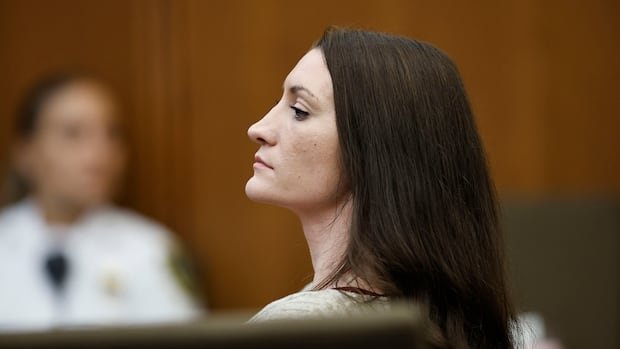

Testimony wrapped up on Wednesday in the trial of Lindsay Clancy, a mother accused of strangling her three young children, bringing to light issues surrounding postpartum mental health. The prosecution and defense are set to present their closing arguments before the jury starts deliberating. Clancy, 36, has entered a plea of not guilty by reason of lack of criminal responsibility, with her defense team asserting she was suffering from postpartum psychosis when she killed her children in January 2023 at their residence in Duxbury, Massachusetts.
Postpartum psychosis, a rare mental disorder, is associated with the challenges of post-childbirth such as stress, sleep deprivation, and hormonal changes. Prosecutors claim that Clancy had premeditated the murders and was aware of the wrongfulness of her actions. Despite the ongoing trial, Clancy did not testify, with the defense calling upon 10 witnesses, including her acquaintances and family members, while the prosecution summoned over 70 witnesses, including her ex-husband.
During the trial, a forensic psychiatrist from the University of Virginia and the FBI’s Behavioral Analysis Unit refuted Clancy’s claim that a voice instructed her to commit the crimes. The psychiatrist highlighted the absence of specific directives from the alleged voice, emphasizing Clancy’s apparent control and methodical approach to the tragic events. Clancy strangled her children with exercise bands in the family’s basement before attempting suicide when she was alone at home. The psychiatrist found Clancy’s account of the voice’s sudden cessation after the killings to be atypical and raised doubts about her mental state.
In a bid to challenge the psychiatrist’s credibility, Clancy’s defense attorney questioned his expertise in postpartum psychosis and implied a bias towards law enforcement based on his previous work experiences. The defense also presented evidence suggesting that Clancy had sought help and expressed suicidal thoughts to her family and various health professionals, indicating her awareness of her deteriorating mental health. The defense aimed to portray Clancy as a victim of her circumstances rather than a deliberate perpetrator.
For individuals facing mental health challenges or contemplating suicide, various helplines and support services are available, including the Suicide Crisis Helpline, provincial mental health support, and Kids Help Phone. These resources offer counseling and guidance for those in need.