

A potent El Nino phenomenon looming in the Pacific has experts cautioning about a potential surge in living expenses, likely driving up prices of essential goods further. The World Meteorological Organization (WMO) recently issued a warning, indicating the current development of this disruptive weather pattern, expected to intensify rapidly in the coming months. This escalation raises the likelihood of extreme global events like heatwaves, droughts, and severe floods.
El Nino arises when surface water temperatures in the central and eastern Pacific Ocean become unusually warm, leading to shifts in global ocean currents and atmospheric air circulation. The current iteration of this weather anomaly shows indications of being notably robust, as noted by Gareth Redmond-King from the Energy and Climate Intelligence Unit (ECIU), adding to the existing “polycrisis” of climate change, economic instability, and global unrest.
El Nino’s impact may result in erratic shifts between extreme dry spells and heavy rainfall, disrupting crucial crop yields for staple foods worldwide. Concerns are particularly raised for rice production, with key exporting regions like India and Pakistan likely to face significantly drier conditions under El Nino’s influence.
Reflecting on the repercussions of a major El Nino event in 2023, Mr. Redmond-King highlighted the global shortages and price surges experienced, emphasizing the vulnerability of nations reliant on food imports. With Britain heavily dependent on imported food supplies, the exposure to external weather shocks is heightened, especially for nations already grappling with the effects of climate change.
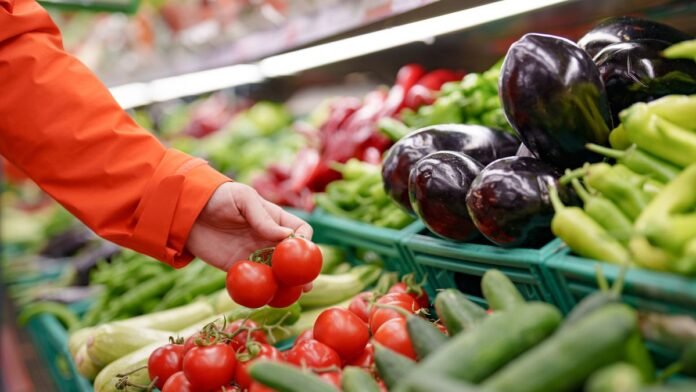
Furthermore, a robust El Nino could impact the availability and prices of fruits and vegetables, with potential disruptions in supply chains due to weather extremes in key producing regions like Morocco and Kenya. Tropical fruits such as citrus and bananas, predominantly imported items, also face threats during an El Nino year.
The coffee industry could face challenges from a strong El Nino, affecting major coffee-producing countries like Brazil and Vietnam. The consequences of El Nino are already evident in Peru, where warm ocean waters altering fish habitats have raised concerns about anchovy stocks.
In addition to agricultural implications, an intensified El Nino could lead to spikes in global electricity demand for cooling systems and irrigation, further straining resources amidst existing energy crises and conflicts. The convergence of climate change, geopolitical tensions, and now the looming El Nino is described as a “perfect storm” situation, underscoring the urgent need for sustainable solutions like achieving net zero emissions to combat climate destabilization.
El Nino’s historical impact on cocoa-producing regions in West Africa, coupled with rising cocoa prices due to weather-related challenges, highlights the broader economic repercussions of climate-driven events. While price hikes may not be immediate, the long-term effects are anticipated to manifest gradually, potentially leading to supply chain disruptions and inflationary pressures in the future.
Amidst these challenges, the imperative for proactive climate action is emphasized, underscoring the critical role of mitigation strategies like transitioning to net zero emissions to mitigate the impacts of unpredictable weather patterns like El Nino.