
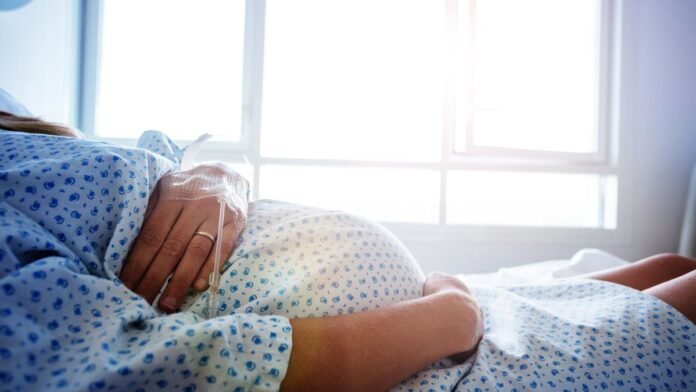

Allegations have surfaced claiming that pregnant women were marked with a derogatory acronym instructing them to depart, as fresh claims arise regarding the Nottingham University Hospitals NHS Trust, at the heart of a significant maternity investigation. The offensive abbreviation “FOH” was reportedly noted on a whiteboard adjacent to the names of expectant mothers at Nottingham University Hospitals NHS Trust, as detailed in a BBC Panorama inquiry. Instead of indicating a medical necessity or care plan, the acronym was allegedly a shortcut for “f**k off home,” a signal from staff urging pregnant women to exit the maternity ward.
These accusations were disclosed in a resignation letter from a staff member in 2018, among a series of troubling assertions emerging from the trust, where care provided to approximately 2,500 families from 2012 to 2025 is now under review. Led by senior midwife Donna Ockenden, the investigation is scrutinizing cases of stillbirths, maternal and neonatal fatalities, and instances where mothers and infants suffered injuries. These specific allegations are just part of the broader ongoing investigation.
Ockenden, speaking to Panorama, mentioned that Nottingham believed in a distinct “Nottingham way,” considering themselves a superior NHS trust compared to others. Former staff highlighted a culture where some women were reportedly mistreated during labor. One recurring issue pointed out by ex-staff was a push to keep women at home as long as possible before delivery. A distressing incident was narrated where a woman in labor was turned away leading to tragic consequences.
A letter also indicated that a midwife advised colleagues to send worried pregnant women home, suggesting they would keep returning if treated kindly. The contents of the letter were shared with Sarah Hawkins, whose daughter faced a tragic outcome in 2016 due to repeated concerns being disregarded. Hawkins expressed disappointment at the lack of care and compassion shown.
Apart from family grievances, former employees described a toxic environment within Nottingham’s maternity services. One midwife recalled a colleague neglecting a patient in need of assistance while engrossed in online shopping. The cultural issues within the trust were exacerbated by significant staffing challenges, with employees expressing concerns about understaffing and work conditions.
Warnings regarding staffing deficiencies were formally raised in 2018 by senior midwife Sue Brydon in a letter co-signed by over 50 maternity staff. Brydon criticized the management’s response as inadequate, shifting blame to the HR department instead of addressing the core staffing issues. Over 800 trust staff have participated in the maternity review, highlighting concerns such as inadequate training and equipment.
The review has also brought to light allegations concerning the treatment of staff and patients from ethnic minority backgrounds. Instances of staff mimicking accents and displaying dismissive behavior towards non-white women were reported. The chief executive of Nottingham University Hospitals NHS Trust acknowledged the need to tackle racism within the organization, emphasizing the commitment to address such issues.
NHS England highlighted the implementation of new initiatives to enhance care safety, including clinical standards for every maternity service in England to prevent harm. The Department for Health and Social Care expressed solidarity with the affected families and emphasized the importance of providing safe and compassionate care to every woman. Maternity services are undergoing improvements, with increased midwife recruitment and investments in safety measures to enhance care quality.
Nottingham’s maternity services are under scrutiny with ongoing efforts to rectify historical deficiencies. The intention is to address concerns, improve services, and ensure safe and equitable maternity care for all families. The focus is on urgent actions based on recommendations from ongoing reviews to enhance care standards and prevent adverse outcomes.