
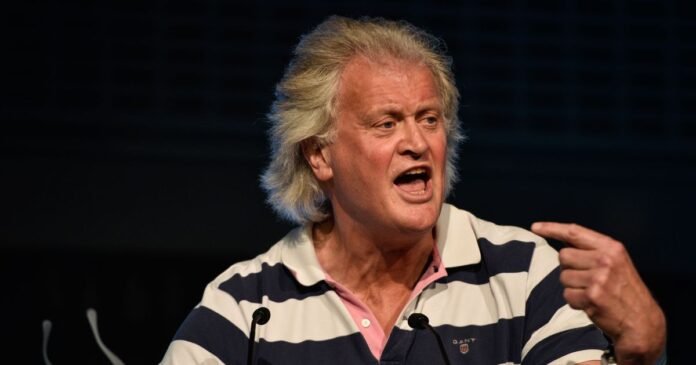

The creator of the popular pub chain Wetherspoons has cautioned about a tax discrepancy between pubs and supermarkets that poses a significant challenge for the hospitality industry. This warning comes as Rachel Reeves prepares to announce specific aid measures.
It is anticipated that the Chancellor will introduce a relief package worth approximately £300 million to assist pubs as they navigate the conclusion of pandemic-related support programs. The relief measures are expected to primarily focus on alleviating the pressure of escalating business rates. However, Tim Martin, the chairman of JD Wetherspoon, highlighted the ongoing issue of pubs facing stiff competition from grocery stores offering discounted prices.
In response to the situation, Martin emphasized the importance of creating a fair competitive environment for pubs by addressing the tax disparities between pubs and supermarkets. He pointed out that pubs are subjected to a 20% VAT on food while supermarkets pay zero, and pubs pay higher rates per pint compared to supermarkets. Failure to achieve equality could result in a decline of pubs relative to supermarkets.
In parallel, Rachel Reeves acknowledged the challenges faced by pubs and expressed her commitment to working with the sector to provide necessary support. She mentioned that the government had already permanently reduced rates for retail, hospitality, and leisure businesses.
While pubs are expected to receive special treatment in terms of relief measures, other sectors, including music and entertainment venues, are calling for similar support. Jon Collins, the CEO of LIVE, raised concerns about the disproportionate impact of increasing business rates on venues, leading to financial strain, closures, job losses, and higher ticket prices for patrons.
Darsh Shah of advisory firm Blick Rothenberg proposed extending the relief fund, currently focused on pubs, to hotels facing substantial tax and operational cost hikes. He suggested a phased approach to alleviate the financial burden on hotels dealing with significant rate value increases, National Insurance Contributions, and minimum wage hikes.
The discussions around sector-specific support highlight the complexities and challenges faced by various industries as they strive to recover from the economic impacts of the pandemic.