
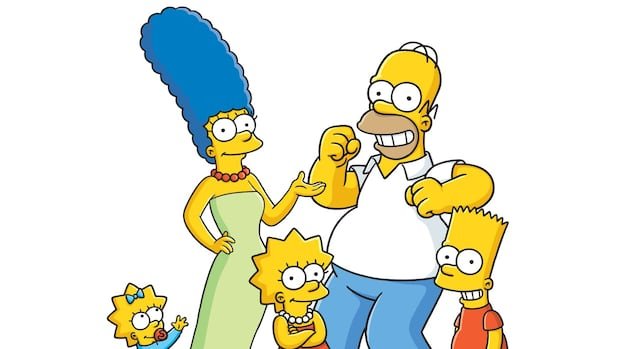

Growing up in Quebec, Joshua Biasotto developed a fondness for watching The Simpsons in the local French dialect, Québécois. In addition to enjoying the show’s unique characters and satirical humor, Biasotto also grew to appreciate the Quebec dubbing of the series. However, after 35 years, Corus Entertainment’s Télétoon decided not to renew the broadcast rights for the 36th season, putting Les Simpson at risk.
In response to this threat, Biasotto took action by launching an online petition titled Sauvons le doublage québécois des Simpsons, which translates to “Let’s save the Quebec dub of The Simpsons.” He felt it was crucial to preserve this aspect of Quebec’s identity, noting how the local version incorporated regional accents and cultural references, making it distinctly Quebecois.
The Quebec dubbing industry has a long history of adapting international entertainment to reflect the province’s language and culture. Daniel Béland, from McGill University, emphasized that dubbing is more than just translating dialogue; it involves capturing the essence of humor and cultural nuances to resonate with local audiences.
The potential loss of Les Simpson deeply affected voice actors like Thiéry Dubé, who voices Québécois Homer Simpson. Dubé likened the show’s significance to Quebec culture to a beloved dish like poutine. The uncertainty surrounding the show’s future compounded the grief following the recent passing of key voice actors.
Fortunately, the public outcry and Biasotto’s petition succeeded in bringing back Les Simpson. With over 35,000 signatures, the show was revived through a deal between Bell Media and Disney Entertainment. The return of the series not only delighted fans but also highlighted the importance of preserving Quebec’s dubbing industry and cultural heritage.
As Les Simpson makes its comeback, the dubbing industry in Quebec is experiencing a surge in activity. Studios like difuze are working on a variety of projects, including popular series like Stranger Things and Moana. However, the industry faces challenges such as tight production schedules and the potential impact of AI-generated dubbing on human voice actors.
Despite these challenges, the revival of Les Simpson serves as a testament to the show’s enduring popularity and the unwavering support of its dedicated fan base. The return of the beloved series not only celebrates Quebec’s unique cultural identity but also underscores the resilience and creativity of the province’s dubbing industry.