
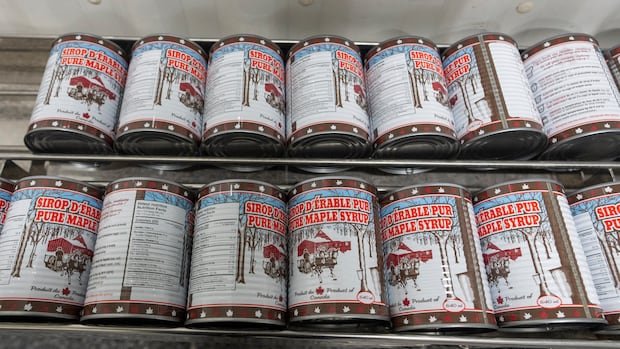

Quebec’s maple syrup producers’ association head reveals that the province’s reserve of maple syrup has been exhausted due to surging demand. Luc Goulet, the president of Québec Maple Syrup Producers, emphasizes the necessity of government assistance to support the industry’s growth potential. The maple syrup industry relies on weather conditions for its yields, prompting the establishment of a strategic reserve to maintain stable prices and supply.
Last year, U.S. commercial buyers stockpiled maple syrup in fear of potential tariffs imposed by then-President Donald Trump. As sales continue to climb, Goulet states that the reserve has been depleted, leaving the industry vulnerable to fluctuations in weather conditions affecting maple sap flow.
Referring to past stock shortages in 2007 and 2008, Goulet warns that market losses may occur if product availability diminishes, leading consumers to shift to alternative sweeteners. Despite the high demand, Goulet sees room for industry expansion in Quebec’s maple groves, calling for increased investments from Quebec City to support producers and processors in exploring new international markets.
Louis Turenne, president of the Maple Industry Council, notes a rise in Quebec maple syrup exports, particularly amid tariff concerns. While the U.S. remains a significant market, efforts are underway to diversify and reduce dependency on American buyers by targeting European, Australian, and Asian markets. Turenne stresses the need for government backing to boost production and facilitate market expansion.
The maple syrup industry, predominantly concentrated in Quebec, plays a vital role in the Canadian economy. Generating over $1.21 billion in GDP in 2025 and providing employment to more than 10,000 workers, the sector contributes significantly to tax revenues. The industry’s economic importance was highlighted during the recent election campaign, underscoring its role as a key employer and economic driver in many communities across Quebec.